Official Member Of

Trusted Copyright Removal Program


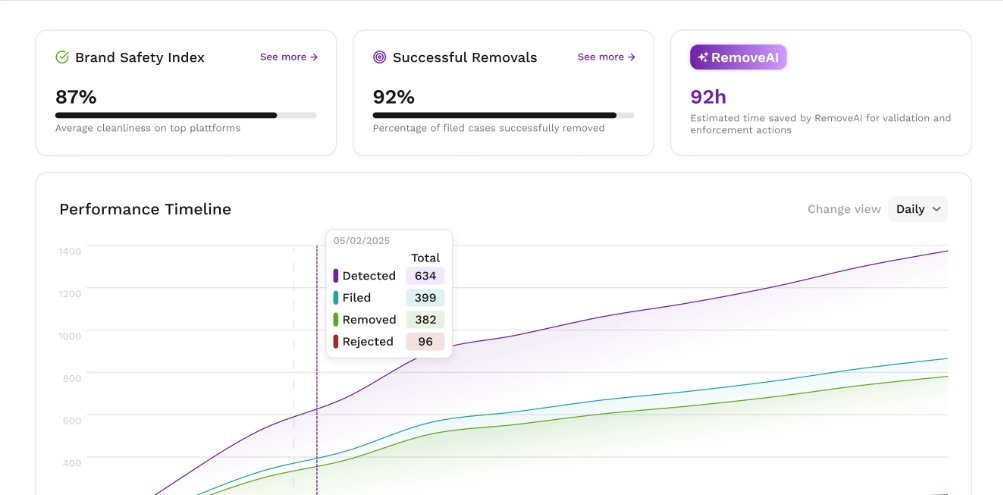
In an increasingly digital and globalized marketplace, a brand is one of a company’s most valuable assets. It represents trust, reputation, quality, and emotional connection with consumers. However, as brands grow in visibility, they also become more vulnerable to misuse, infringement, and exploitation. This is where Brand Protection becomes critical.
Brand Protection is no longer just a legal concern—it is a strategic business priority that directly impacts revenue, customer trust, and long-term growth.
Brand Protection refers to the strategies, tools, and legal measures used to safeguard a brand’s intellectual property, reputation, and market integrity. It encompasses protecting trademarks, logos, designs, products, and digital presence from unauthorized use.
Key components of Brand Protection include:
Effective Brand Protection ensures that consumers can trust the authenticity and quality of products and services associated with a brand.
The rise of e-commerce, social media, and global supply chains has created new opportunities—but also new risks.
Brands today face:
These threats make Brand Protection essential for preserving brand value and maintaining consumer confidence.
Brand misuse directly affects a company’s bottom line. Counterfeit and infringing products divert sales, undercut pricing, and damage relationships with authorized distributors.
Hidden financial risks include:
Strong Brand Protection minimizes these risks and helps maintain sustainable profitability.
Consumers associate brands with quality and reliability. When counterfeit or unauthorized products enter the market, consumers may experience poor performance or even safety hazards.
Examples include:
By prioritizing Brand Protection, companies not only protect their reputation but also safeguard consumer well-being.
Digital platforms have become a major battleground for brand enforcement. Infringers exploit online anonymity and global reach to misuse brands at scale.
Common digital threats include:
Effective Brand Protection requires constant online monitoring and swift enforcement across multiple platforms.
Intellectual property (IP) rights form the foundation of Brand Protection. Without proper registration and documentation, enforcement becomes significantly more difficult.
Key IP assets include:
Proactively securing IP rights strengthens a brand’s legal position and simplifies enforcement actions.
Many businesses only address brand issues after damage has occurred. However, proactive Brand Protection is far more effective and cost-efficient.
Proactive strategies include:
A proactive approach allows brands to identify threats early and respond before significant harm is done.
Technology plays a growing role in modern Brand Protection strategies.
Innovative solutions include:
These tools help brands detect infringements faster and improve transparency across supply chains.
Legal action remains a critical component of Brand Protection. This may involve:
Working closely with IP lawyers ensures that enforcement actions are strategic, proportionate, and effective.
An effective Brand Protection strategy aligns legal, commercial, and technological efforts.
Best practices include:
Brand Protection is an ongoing process—not a one-time task.
Brand Protection is essential in today’s competitive and digital-first business environment. Beyond preventing infringement, it preserves brand equity, protects consumers, and supports long-term growth.
Companies that invest in comprehensive Brand Protection strategies are better positioned to defend their reputation, maintain customer trust, and stay ahead of evolving threats. In a world where brand value is increasingly intangible yet immensely powerful, protecting it has never been more important.
Brand Protection involves safeguarding a company’s brand identity, intellectual property, and reputation from misuse, counterfeiting, and infringement. It is important because a brand represents trust, value, and credibility, and any misuse can lead to financial loss and reputational damage.
Common threats include counterfeit products, trademark infringement, unauthorized online sellers, social media impersonation, cybersquatting, and misuse of brand assets in digital advertising and marketplaces.
Brand Protection helps ensure that consumers receive genuine, safe, and high-quality products. By preventing counterfeit and unauthorized goods, brands reduce the risk of customer harm, dissatisfaction, and loss of trust.
No. Brand Protection is important for businesses of all sizes. Small and medium-sized businesses are often more vulnerable because they may have fewer resources to combat infringement, making proactive protection even more critical.
An effective Brand Protection strategy includes registering intellectual property, monitoring online platforms, enforcing rights consistently, using technology-based solutions, and working with legal professionals to address violations efficiently.
