


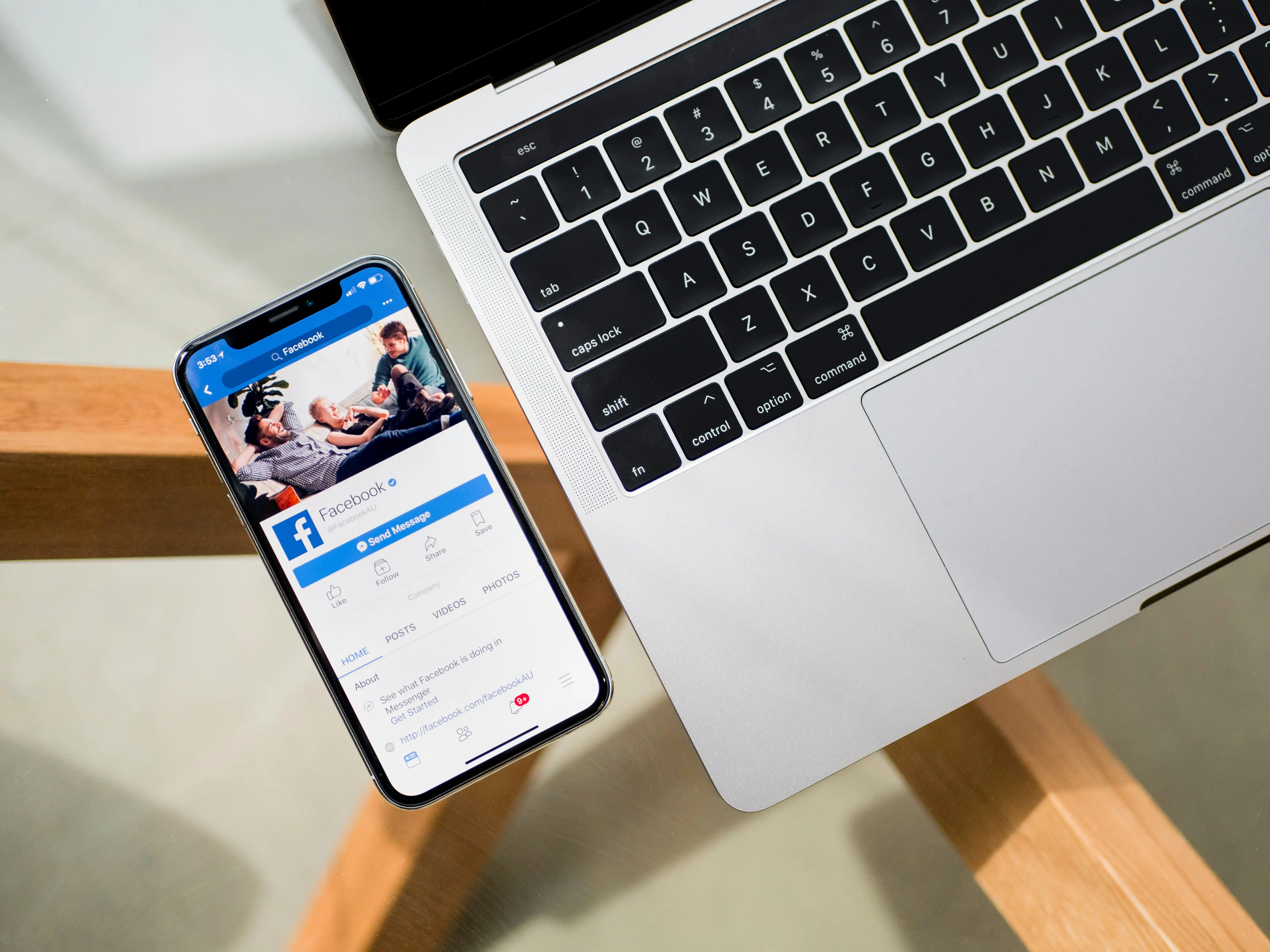
Der digitale Wandel im Handel hat Facebook Marketplace zu einem der aktivsten Online-Marktplätze der Welt für Verbraucher und kleine Unternehmen gemacht. Die rasante Ausweitung des digitalen Handels, insbesondere in Schwellenmärkten, die vom Wachstum sozialer Medien getrieben werden, hat sowohl Chancen als auch erhebliche Risiken für Marken in Bezug auf Markenschutz und rechtliche Durchsetzung geschaffen. Markenmissbrauch auf Plattformen wie Facebook Marketplace nimmt zu, weil Inhalte leicht geteilt werden können und Fälschungen verkauft werden. Leider ist mit diesem starken Wachstum auch ein Anstieg des Markenmissbrauchs verbunden, bei dem Verkäufer Markennamen, Logos und Marken unrechtmäßig nutzen, um nicht autorisierte oder gefälschte Produkte zu verkaufen – oft ohne Zustimmung der Marke. Für etablierte Marken schafft dieser Trend rechtliche, reputationsbezogene und kommerzielle Herausforderungen, die sie nicht ignorieren können.
Was ist Markenmissbrauch auf Facebook Marketplace?
Markenmissbrauch auf Plattformen wie Facebook Marketplace liegt vor, wenn Verkäufer den registrierten Namen, das Logo, den Slogan oder andere markenrechtlich geschützte Elemente einer Marke ohne Genehmigung nutzen, um Käufer zu täuschen oder sich einen Verkaufsvorteil zu verschaffen. Dazu gehört:
- Fälschungs-Listings, die mit einem bekannten Markennamen versehen sind
- Markenimitation, bei der gefälschte Accounts legitime Marken nachahmen, um Verbraucher zu täuschen
- gefälschte Anzeigen und Betrugsanzeigen, die Fake-Produkte bewerben oder Verbraucher durch irreführende Werbung täuschen
- täuschend ähnliche Markenauftritte, die Verbraucher verwirren
- Beschreibungen, die eine Unterstützung oder Zugehörigkeit suggerieren
- nicht autorisierte Wiederverkäufer, die Marken missbrauchen, um Klicks zu generieren
Diese irreführenden Taktiken nutzen den Markenwert aus, um Verkäufe zu erzielen – oft auf Kosten des Verbraucherschutzes und des Rufs der legitimen Marke. Auch nutzergenerierte Inhalte können zu Markenmissbrauch führen, wenn sie nicht richtig überwacht werden.
Warum Markenmissbrauch auf Facebook Marketplace zunimmt
1. Größe des Marktplatzes und einfache Nutzung
Die leichte Zugänglichkeit von Facebook Marketplace – mit Millionen täglicher Nutzer, die Listings einstellen – macht die Plattform zu einem attraktiven Umfeld sowohl für legitime Verkäufer als auch für böswillige Akteure. Facebook Marketplace ist nur eine von vielen E-Commerce-Plattformen, auf denen Markenmissbrauch verbreitet ist. Das zeigt, wie wichtig es für Marken ist, ihr geistiges Eigentum auf verschiedenen Online-Marktplätzen zu überwachen und zu schützen. Viele Verkäufer verstehen die Regeln des Markenrechts nicht vollständig, andere nutzen die begrenzte Kontrolle bewusst aus.
2. Automatisierte Moderation kann fehlerhaft arbeiten
Marktplätze verlassen sich zunehmend auf Algorithmen, um Verstöße gegen Richtlinien zu erkennen. Dieselben Tools wie KI und Automatisierung werden sowohl von Marken genutzt, um ihr geistiges Eigentum zu schützen, als auch von Verletzern, um Kontrollen zu umgehen. Dadurch wird die Durchsetzung noch komplexer. Automatisierte Systeme können echte Listings fälschlicherweise als Fälschungen einstufen oder ausgeklügelten Missbrauch übersehen, was sowohl Marken als auch legitime Verkäufer frustriert.
3. Betrüger nutzen Markenbekanntheit aus
Betrüger wissen, dass bekannte Markennamen Vertrauen schaffen und Klicks erzeugen. Die betrügerische Nutzung von Markennamen untergräbt die Markenauthentizität und schwächt das Kundenvertrauen, da Verbraucher echte Produkte schwerer von Fälschungen unterscheiden können. Indem sie markenrechtlich geschützte Begriffe in ihre Listings einfügen – selbst wenn die Produkte nichts mit der Marke zu tun haben – manipulieren sie die Sichtbarkeit auf dem Marktplatz und das Suchverhalten der Verbraucher.
Einführung in den Markenmissbrauch
Markenmissbrauch auf Facebook Marketplace ist ein wachsendes Problem für Markeninhaber und Inhaber von Rechten am geistigen Eigentum.
Der Aufstieg von E-Commerce und sozialen Plattformen hat neue Möglichkeiten für Markenverletzungen und Markenmissbrauch geschaffen.
Das Verständnis von Markengesetzen und Schutzstrategien ist für Unternehmen im digitalen Zeitalter unverzichtbar.
Die große Nutzerbasis und globale Reichweite von Facebook Marketplace machen die Plattform zu einem bevorzugten Ziel für Markenmissbrauch und gefälschte Waren.
Markenreputation und Verbrauchervertrauen sind durch irreführende Anzeigen und Fake-Accounts gefährdet.
Markenmissbrauch verstehen
Markenmissbrauch bezeichnet die unbefugte Nutzung eines markenrechtlich geschützten Begriffs, Logos oder Designs, die zu Verwirrung bei Verbrauchern führen kann.
Dazu gehören gefälschte Produkte, Fake-Accounts und irreführende Anzeigen, die Markenrechte verletzen.
Markenschutz ist entscheidend, um die Markenidentität zu bewahren und Diebstahl geistigen Eigentums zu verhindern. Der Schutz geistigen Eigentums ist für Markeninhaber essenziell, um Fälschungen, nicht autorisierte Produkte und die widerrechtliche Aneignung der Marke auf Plattformen zu bekämpfen.
Social-Listening-Tools können Marken dabei helfen, ihre markenrechtlich geschützten Begriffe zu überwachen und potenziellen Missbrauch zu erkennen. Markeninhaber stehen im digitalen Umfeld vor besonderen rechtlichen Herausforderungen wie Online-Verletzungen, Cybersquatting und Schwierigkeiten bei der Durchsetzung.
Rechtliche Schritte gegen Markenverletzer können komplex und zeitaufwendig sein und erfordern häufig die Unterstützung eines Markenanwalts. Rechtliche Schritte gegen Markenverletzungen können besonders im internationalen Kontext zeitaufwendig und kostspielig sein.
Wie Markenmissbrauch geschieht
Markenmissbrauch kann auf verschiedene Weise auftreten, unter anderem durch gefälschte Produkte, Fake-Accounts und irreführende Anzeigen.
Die unbefugte Nutzung geschützter Begriffe oder Logos kann Verbraucher verwirren und der Markenreputation schaden.
Soziale Plattformen wie Facebook Marketplace können von Verletzern ausgenutzt werden, um Fälschungen zu verkaufen oder Fake-Accounts zu fördern.
Markeninhaber müssen bei der Überwachung ihrer geschützten Begriffe wachsam sein und gegen Verletzer vorgehen. Der Einsatz fortschrittlicher Brand-Monitoring-Tools wie KI und Automatisierung ist essenziell, um Marken auf sozialen Plattformen und in digitalen Räumen dauerhaft zu schützen.
Künstliche Intelligenz kann genutzt werden, um unbefugte Markennutzung und rechtsverletzende Inhalte zu erkennen. KI-gestützte Tools können soziale Plattformen nach Bildern, Texten und Videos durchsuchen, die Marken enthalten – selbst wenn diese leicht verändert wurden.
Die Folgen von Markenmissbrauch
Markenmissbrauch kann für Markeninhaber schwerwiegende Folgen haben, darunter erhebliche finanzielle Verluste und Schäden an der Markenreputation.
Verbrauchervertrauen kann durch gefälschte Produkte und Fake-Accounts untergraben werden, weshalb Marken Schutzmaßnahmen priorisieren müssen. Markenmissbrauch bedroht auch die Integrität einer Marke und schwächt Vertrauen und Ansehen.
Markenstreitigkeiten können teuer und langwierig sein, was die Bedeutung proaktiver Überwachung und Durchsetzung unterstreicht. Gefälschte Produkte führen nicht nur zu finanziellen Schäden, sondern können auch Sicherheitsrisiken für Verbraucher mit sich bringen.
Luxusmarken sind besonders anfällig für Markenmissbrauch, da Fälscher gezielt hochwertige Produkte und bekannte Logos ins Visier nehmen.
Auch Domainstreitigkeiten können durch Markenmissbrauch entstehen, sodass Markeninhaber Maßnahmen zum Schutz ihres geistigen Eigentums ergreifen müssen.
Verletzer können nach dem Lanham Act schweren zivil- und strafrechtlichen Sanktionen ausgesetzt sein, darunter Haftstrafen und hohe Geldbußen.
Strategien zum Markenschutz
Markenschutzstrategien sollten die Registrierung von Marken, kontinuierliche Überwachung und konsequente Durchsetzung umfassen.
Tools zur Überwachung sozialer Medien helfen Marken dabei, potenziellen Markenmissbrauch zu erkennen und gegen Verletzer vorzugehen.
Die Zusammenarbeit mit Geschäftspartnern und Influencern kann Markenschutzmaßnahmen verstärken und Markenmissbrauch vorbeugen. Die Bekämpfung gefälschter Waren erfordert eine Kombination aus fortschrittlichen Technologien wie KI-gestütztem Monitoring und Blockchain-Authentifizierung sowie starken rechtlichen Strategien.
Die Aufklärung von Verbrauchern über die Risiken gefälschter Produkte und Fake-Accounts kann ebenfalls dazu beitragen, Markenmissbrauch zu verhindern. Eine wirksame Markendurchsetzung und die Wahrung der Markenintegrität sind zentral, um Authentizität, Glaubwürdigkeit und Kundenvertrauen im digitalen Marktplatz zu schützen.
Der Einsatz von Tools wie Facebooks Brand Rights Protection Tool kann die Durchsetzung erheblich vereinfachen. Marken sollten sich für Programme wie Meta Brand Rights Protection anmelden, um die Nutzung ihrer Marke zu überwachen und zu steuern.
Rechtliche Überlegungen
Markengesetze und Vorschriften unterscheiden sich von Land zu Land, weshalb Markeninhaber die rechtlichen Rahmenbedingungen genau kennen müssen. Die Anmeldung von Marken in allen Rechtsordnungen, in denen das Unternehmen tätig ist, ist entscheidend, um umfassenden Schutz zu sichern – insbesondere angesichts der globalen Reichweite von Plattformen wie Facebook Marketplace.
Rechtliche Schritte gegen Markenverletzer erfordern ein tiefes Verständnis der relevanten Gesetze und Vorschriften.
Abmahnungen können ein wirksames Mittel gegen Markenmissbrauch sein, reichen jedoch nicht immer aus, um Streitigkeiten vollständig zu lösen.
Markenanwälte können wertvolle Unterstützung dabei leisten, komplexe Markenstreitigkeiten zu bewältigen.
Um Markenmissbrauch voraus zu sein, braucht es laufende Überwachung, konsequente Durchsetzung und ein gutes Verständnis aktueller Trends und Technologien. Marken müssen ein starkes markenrechtliches Fundament schaffen, indem sie ihre Marken in allen relevanten Ländern registrieren.
Luxusmarken und Markenmissbrauch
Luxusmarken werden aufgrund ihres hohen Werts und Prestiges besonders häufig von Fälschern ins Visier genommen.
Markenmissbrauch kann die Reputation und den Markenwert von Luxusmarken erheblich schädigen, weshalb Schutzmaßnahmen höchste Priorität haben sollten.
Luxusmarken müssen ihre markenrechtlich geschützten Begriffe aufmerksam überwachen und konsequent gegen Verletzer vorgehen.
Die Zusammenarbeit mit Strafverfolgungsbehörden und anderen Stakeholdern kann Luxusmarken helfen, Fälschungen und Markenmissbrauch effektiver zu bekämpfen.
Der Einsatz fortschrittlicher Technologien wie künstlicher Intelligenz und Blockchain kann Luxusmarken dabei unterstützen, Markenmissbrauch einen Schritt voraus zu sein.
Blockchain-Technologie kann genutzt werden, um Produktauthentizität zu verifizieren und Fälschungen zu bekämpfen, indem sie sichere und manipulationssichere Nachweise über Herkunft und Eigentum eines Produkts liefert.
Fortschrittliche Fälschungstechniken, darunter 3D-Druck, werden die Markenrisiken voraussichtlich deutlich erhöhen.
Domainstreitigkeiten
Domainstreitigkeiten können durch Markenmissbrauch entstehen und zwingen Markeninhaber dazu, ihr geistiges Eigentum aktiv zu schützen. Der Schutz von Domainnamen ist ein wichtiger Bestandteil einer umfassenden Markenschutzstrategie, da die unbefugte Registrierung und Nutzung von Domains mit Markenbezug der Markenreputation schaden und Verbraucher verwirren kann.
Markengesetze und rechtliche Vorschriften regeln Domainstreitigkeiten, und Markeninhaber müssen diese Regelungen verstehen, um Konflikte wirksam zu lösen.
Domainstreitigkeiten können komplex und langwierig sein, was die Bedeutung proaktiver Überwachung und Durchsetzung unterstreicht. Fälscher nutzen häufig Länder mit schwächerem Schutz geistigen Eigentums, um Fake-Produkte zu verkaufen, was die Durchsetzung zusätzlich erschwert.
Der Einsatz von Domain-Protection-Services kann Marken helfen, Domainstreitigkeiten und Markenmissbrauch vorzubeugen.
Aktuelle Entwicklungen und Technologien im Bereich Domain-Schutz im Blick zu behalten, hilft Markeninhabern, Missbrauch frühzeitig zu erkennen.
Influencer-Marketing und Markenmissbrauch
Influencer-Marketing kann eine wirksame Methode sein, Marken und Produkte zu bewerben, birgt aber auch Risiken für Markenmissbrauch.
Influencer müssen die Regeln des Markenrechts verstehen, um keine Markenrechte zu verletzen.
Marken müssen Influencer sorgfältig auswählen und sicherstellen, dass diese die Schutzmaßnahmen der Marke verstehen.
Die Zusammenarbeit mit Influencern kann Markenschutzmaßnahmen stärken und dazu beitragen, Markenmissbrauch zu verhindern.
Der Einsatz von Influencer-Marketing-Plattformen und entsprechenden Tools kann Marken dabei helfen, Markenrechte zu überwachen und durchzusetzen.
Auswirkungen auf Marken
Markenmissbrauch auf Facebook Marketplace kann schwerwiegende Folgen haben:
- Verbraucherverwirrung: Käufer glauben möglicherweise, direkt bei der Marke oder mit deren Zustimmung zu kaufen.
- Reputationsschäden: Minderwertige Fälschungen, die mit der Marke verbunden werden, schädigen die wahrgenommene Qualität.
- Umsatzverluste: Nicht autorisierte Verkäufer ziehen legitime Verkäufe ab.
- Verwässerung der Markenidentität: Wiederholter Missbrauch schwächt die Unterscheidungskraft und den Wert der Marke.
Markenmissbrauch kann wertvolle Markenwerte gefährden und zu Markenrechtsverletzungen führen. Deshalb ist es entscheidend, dass Marken ihr geistiges Eigentum auf Online-Marktplätzen aktiv schützen.
Selbst gut gemeinte Verkäufer, die das Markenrecht missverstehen, können diese Risiken verursachen – deshalb ist konsequente Durchsetzung unverzichtbar.
Die Anonymität des Internets erschwert zusätzlich die Identifikation und Verfolgung von Markenverletzern, was proaktives Monitoring noch wichtiger macht.
Was Marken tun müssen: Strategien gegen Markenmissbrauch
1. Marketplace-Listings aktiv überwachen
Suchen Sie regelmäßig nach unautorisierten Nutzungen Ihrer Marken, Logos und Produktnamen. Brand Monitoring mit fortschrittlichen Tools wie KI und Automatisierung spielt eine zentrale Rolle dabei, unbefugte Nutzung und potenzielle Verletzungen über soziale Plattformen und digitale Räume hinweg zu erkennen. Verfolgen Sie auch Schreibvarianten, häufige Tippfehler oder ähnlich aussehende Begriffe, hinter denen sich Missbrauch verbergen könnte.
Zusätzlich können digitale Wasserzeichen und Fingerprinting-Technologien dabei helfen, digitale Inhalte und geistiges Eigentum online zu schützen.
2. Schutztools der Plattform nutzen
Metas Brand Rights Protection und Tools zur Meldung geistiger Eigentumsrechte ermöglichen Rechteinhabern, Markenmissbrauch in Anzeigen und Marketplace-Listings zu melden. Große Plattformen wie Facebook und Instagram verfügen über spezifische Richtlinien und Tools, um Markenmissbrauch zu adressieren, darunter Verifizierungsprozesse und Meldemechanismen gegen Imitation und gefälschte Accounts. Über diese Systeme können Marken Inhalte kennzeichnen, die IP-Rechte verletzen, und den Fortschritt von Takedowns verfolgen.
Meta kann Accounts von Wiederholungstätern dauerhaft deaktivieren.
3. Meldungen mit klaren Belegen einreichen
Wenn Sie eine Rechtsverletzung melden:
- fügen Sie direkte Links zu den Listings hinzu
- legen Sie Ihre Markeneintragungen offen
- erklären Sie klar, wie der Verkäufer Ihre Marke missbraucht
Zur wirksamen Markendurchsetzung gehört auch die Überwachung von Hashtag-Missbrauch, bei dem markenrechtlich geschützte Begriffe als Hashtags genutzt werden, um Traffic abzugreifen.
Präzise und gut dokumentierte Meldungen erhöhen die Wahrscheinlichkeit einer schnellen Entfernung erheblich.
4. Verbraucher und Verkäufer aufklären
Transparente Kommunikation über offizielle Kanäle hilft Verbrauchern, echte Markenstores zu erkennen, und ermutigt Marketplace-Verkäufer, Markenrichtlinien einzuhalten. Der Erhalt des Kundenvertrauens ist ein zentrales Ziel der Verbraucheraufklärung, weil dadurch Markenreputation geschützt wird und Kunden sicherer einkaufen können.
Zugleich erschwert die Anonymität des Internets die Identifikation und Verfolgung der Personen, die Markenrechte online verletzen.
5. Interne Richtlinien mit rechtlichen Schritten kombinieren
Eine proaktive Durchsetzungsstrategie nutzt Meldungen an Plattformen bei handhabbarem Missbrauch und eskaliert schwerwiegende Verstöße an die Rechtsabteilung. Die Wahrung der Markenintegrität erfordert die Kombination interner Richtlinien mit rechtlichen Schritten, um Authentizität, Glaubwürdigkeit und Vertrauen zu schützen. Die Verbindung von Plattformrichtlinien mit dem Markenrecht stärkt den Gesamtschutz.
Gleichzeitig stehen Marken vor Herausforderungen beim Schutz ihrer Rechte, weil die Anonymität sozialer Plattformen die Durchsetzung erschwert.
Herausforderungen bei der Durchsetzung
Selbst mit Tools und Strategie stoßen Marken oft auf Hürden:
- Langsame Takedown-Prozesse: Plattformen brauchen oft mehrere Tage, um zu reagieren.
- Hohe Zahl an Listings: Tausende potenzielle Missbrauchsfälle können IP-Teams überfordern.
- Globale Zuständigkeitsprobleme: Missbrauch überschreitet oft Ländergrenzen und erschwert die Durchsetzung.
Markeninhaber stehen bei der Durchsetzung vor erheblichen rechtlichen Herausforderungen, darunter Online-Verletzungen, Cybersquatting und die Komplexität des Schutzes ihrer Rechte über digitale und soziale Plattformen hinweg.
Marken sollten Durchsetzung daher als laufenden und wiederkehrenden Prozess verstehen, nicht als einmalige Maßnahme. Die Markendurchsetzung wird durch internationale Zuständigkeitsfragen zusätzlich erschwert, insbesondere wenn Verstöße mehrere Länder betreffen.
Abschließende Gedanken
Der Anstieg von Markenmissbrauch auf Facebook Marketplace macht eine entscheidende Realität deutlich: Digitale Marktplätze sind zugleich Chance und Risiko für Marken. Diese Plattformen eröffnen neue Wege, Kunden zu erreichen, bieten aber auch einen fruchtbaren Boden für Fälscher und nicht autorisierte Verkäufer, die Ihre Marke ausnutzen.
In der sich schnell wandelnden Welt des digitalen Handels ist es entscheidend, die Authentizität einer Marke zu bewahren. Die Sicherstellung echter Produkte und der Schutz der Markenintegrität durch Markenschutz und Verifizierung stärken nicht nur das Vertrauen der Verbraucher, sondern auch die Position der Marke im Markt.
Proaktives Monitoring, klare Meldungen und die Nutzung der Markenschutztools der Plattform sind heute nicht mehr optional – sie sind unverzichtbar. Marken, die Wachsamkeit mit Verbraucheraufklärung und rechtlicher Handlungsbereitschaft verbinden, schützen nicht nur Umsätze, sondern auch ihren Ruf und das langfristige Vertrauen.
Letztlich erfordert der Schutz vor Markenmissbrauch einen strategischen und dauerhaften Ansatz: Kennen Sie die Präsenz Ihrer Marke, handeln Sie entschlossen bei Rechtsverletzungen und verstehen Sie Durchsetzung als Teil Ihrer umfassenden Markenschutzstrategie. So kann Ihr Unternehmen sicher in der wachsenden Welt digitaler Marktplätze bestehen. Die Wahrung der Markenauthentizität ist entscheidend für langfristigen Erfolg im digitalen Handel.
FAQs
1. Was gilt als Markenmissbrauch auf Facebook Marketplace?
Markenmissbrauch liegt vor, wenn jemand ohne Erlaubnis den Namen, das Logo oder andere markenrechtlich geschützte Elemente einer Marke nutzt, um Produkte zu verkaufen, Verwirrung zu stiften oder eine Unterstützung durch die Marke vorzutäuschen. Dazu gehören gefälschte Listings, täuschend ähnliche Markenauftritte, irreführende Produktbeschreibungen, Markenimitation durch Fake-Accounts, die legitime Marken nachahmen, sowie der Missbrauch nutzergenerierter Inhalte, wenn Verbraucher oder Dritte Marken in einer Weise verwenden, die zu Rechtsverletzungen oder rechtlichen Problemen führen kann.
2. Wie können Marken unautorisierte Listings auf dem Marketplace finden?
Marken können Listings überwachen, indem sie nach ihren Marken, Markennamen und Variationen ihres Logos suchen. Tools wie automatisierte Brand-Protection-Software, Social Listening und Reporting-Dashboards von Marktplätzen helfen ebenfalls dabei, Missbrauch im großen Maßstab zu erkennen. Der Einsatz von Brand-Monitoring-Tools kann die Suche nach unautorisierten Listings automatisieren und den Schutz der Marke über digitale Plattformen hinweg erleichtern.
3. Was sollte eine Marke tun, wenn sie eine Markenverletzung entdeckt?
Marken sollten die Rechtsverletzung mit Screenshots und URLs dokumentieren und anschließend eine Meldung über Facebooks Tools zur Meldung geistigen Eigentums einreichen. Klare Belege und Angaben zur Markeneintragung beschleunigen die Entfernung. In komplexeren Fällen der Markendurchsetzung kann es sinnvoll sein, einen Markenanwalt hinzuzuziehen, um geeignete Schritte einzuleiten und die Markenintegrität zu schützen.
4. Kann Facebook Marketplace gefälschte oder irreführende Listings entfernen?
Ja. Sobald eine gültige Meldung eingereicht wurde, prüft Facebook den Fall und kann das Listing entfernen, den Verkäufer sperren oder weitere Durchsetzungsmaßnahmen ergreifen. Facebook kann auch gefälschte Anzeigen und nicht autorisierte Anzeigen entfernen, die Marken missbrauchen. Präzise Dokumentation erhöht die Chancen auf eine schnelle Entfernung.
5. Wie können Marken Markenmissbrauch von vornherein verhindern?
Prävention umfasst laufendes Monitoring, Verbraucheraufklärung und klare Kommunikation darüber, welche Verkäufer autorisiert sind. Die Registrierung von Marken in allen relevanten Märkten und die proaktive Nutzung von Reporting-Tools auf Marktplätzen helfen ebenfalls, die Markenidentität zu schützen. Marken sollten außerdem Markenanmeldungen in wichtigen Rechtsordnungen einreichen, um ihre Markenwerte zu sichern und die Markenintegrität angesichts von Online-Fälschungen und Missbrauch zu bewahren.