Official Member Of

Trusted Copyright Removal Program


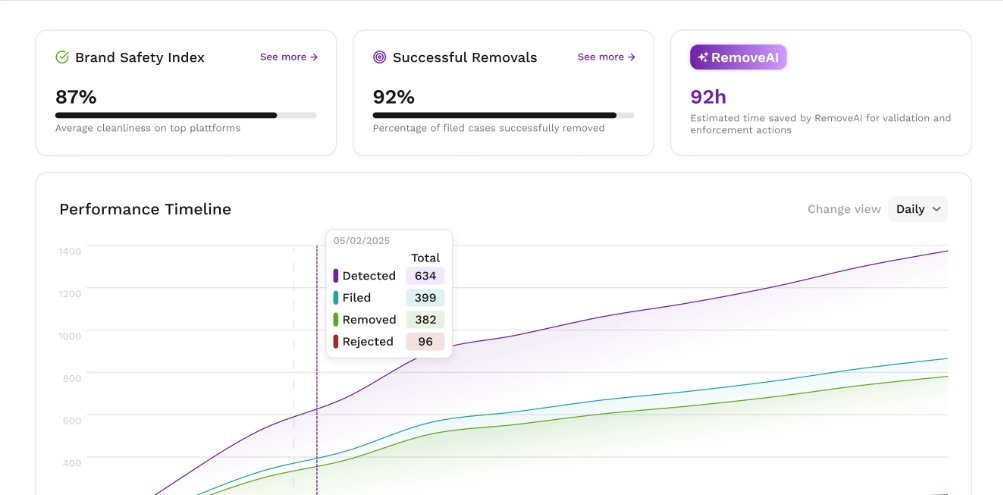
Online marketplaces have transformed the way consumers shop, offering unmatched reach and convenience. However, this rapid growth has also created challenges for brands, including counterfeit products, unauthorized sellers, and intellectual property misuse. This is where Marketplace Enforcement plays a critical role in protecting brand value, customer trust, and revenue.
Marketplace Enforcement refers to the strategies and actions brands take to monitor, report, and remove infringing or unauthorized listings across online marketplaces. These actions are designed to enforce intellectual property rights, marketplace policies, and brand guidelines.
It typically includes:
Effective marketplace enforcement ensures that only legitimate products reach customers.
Without proper enforcement, brands risk losing control over how their products are presented and sold. Common consequences of weak marketplace enforcement include:
Strong marketplace enforcement helps brands maintain consistency, quality, and trust across global sales channels.
Despite its importance, marketplace enforcement is not without obstacles. Brands often face:
These challenges make manual enforcement difficult, especially for brands selling internationally.
Registering trademarks and copyrights in key markets provides the legal foundation needed for enforcement. Many marketplaces require proof of IP ownership before taking action.
Regular monitoring helps brands detect violations early. This includes tracking brand keywords, images, and product descriptions across platforms.
Understanding each marketplace’s reporting system is essential. Timely and accurate takedown requests increase the success rate of enforcement efforts.
Identifying and addressing unauthorized sellers helps brands maintain pricing control and product quality. Some brands use authorized seller programs to reduce violations.
Documenting repeat offenders allows brands to escalate enforcement and work more effectively with marketplace teams.
Most major marketplaces provide brand protection tools and reporting mechanisms. While sellers are responsible for compliance, marketplaces support enforcement by:
Collaboration between brands and marketplaces strengthens enforcement outcomes.
When done correctly, marketplace enforcement delivers long-term value:
It also creates a fairer environment for legitimate sellers.
Marketplace Enforcement is no longer optional—it is a critical part of any modern brand protection strategy. As online marketplaces continue to expand globally, brands that invest in consistent monitoring, strong IP protection, and proactive enforcement will be better equipped to protect their reputation and revenue.
A well-executed marketplace enforcement strategy not only removes infringing listings but also builds a safer and more trustworthy eCommerce ecosystem for everyone.
Marketplace enforcement is the process of monitoring online marketplaces and taking action against infringing or unauthorized listings. It helps brands remove counterfeit products, stop trademark or copyright misuse, and control unauthorized sellers.
Marketplace enforcement protects brand reputation, revenue, and customer trust. Without enforcement, brands may face counterfeit sales, misleading listings, poor customer experiences, and loss of control over product representation.
Common violations include counterfeit goods, trademark infringement, copyright infringement, stolen images or descriptions, false product claims, and unauthorized resellers using brand assets without permission.
Brands enforce their rights by registering intellectual property, monitoring marketplaces, using platform reporting tools, submitting takedown requests, tracking repeat offenders, and working with marketplace support teams or brand protection partners.
Yes. Consistent enforcement discourages repeat violations, reduces counterfeit visibility, and signals to sellers that a brand actively protects its intellectual property, leading to fewer infringements over time.
