Official Member Of

Trusted Copyright Removal Program


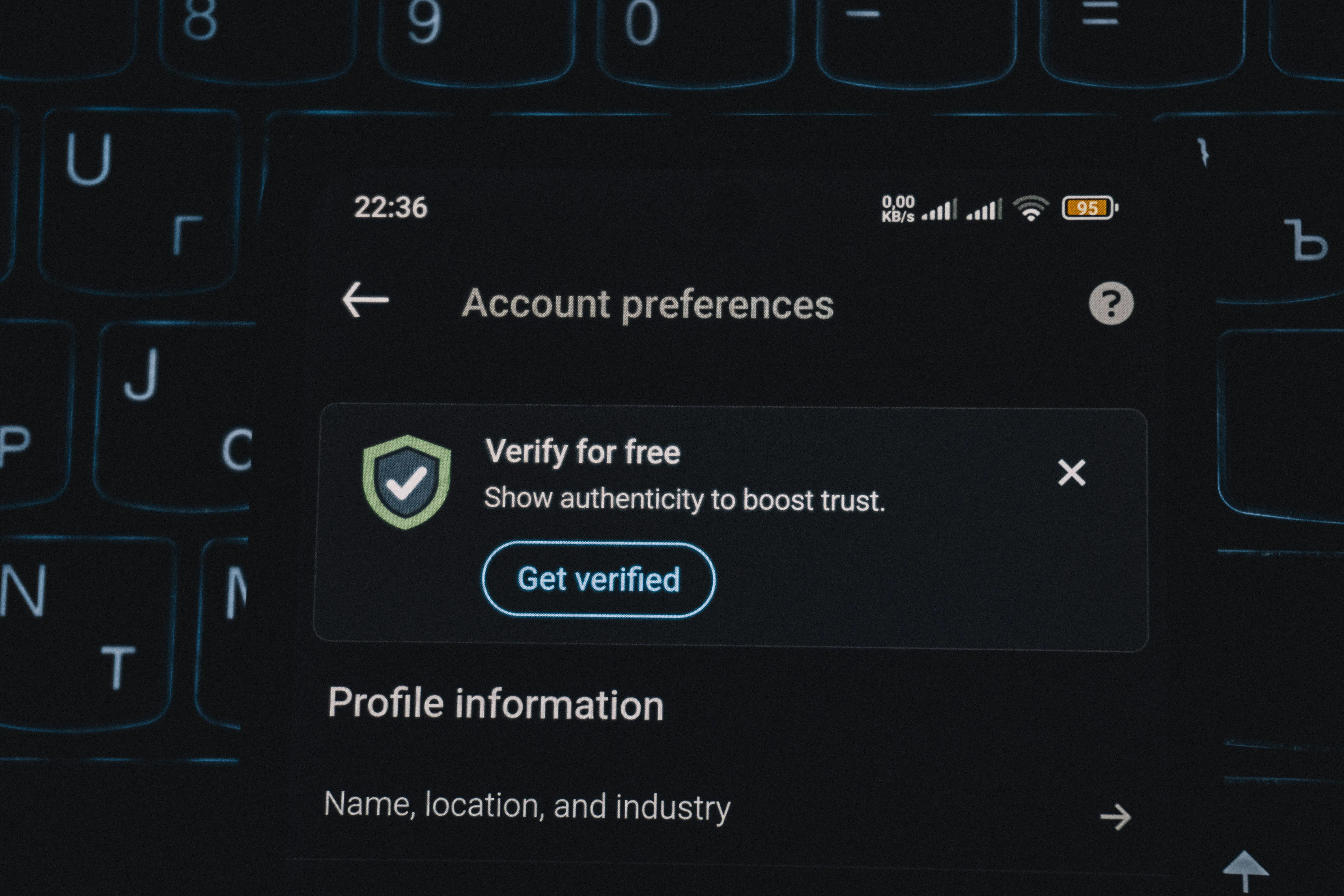
In today’s digital world, social media and online platforms have become central to connecting with friends, family, and professionals—but it’s important to be careful when you connect with others online. Distinguishing between knockoff profiles and genuine accounts is crucial to ensure your online security and avoid falling victim to scams.
Unfortunately, this popularity also makes these platforms a playground for scammers and impersonators. Knockoff profiles, or fake accounts designed to mimic real people or brands, can lead to identity theft, scams, and privacy breaches.
Learning how to identify and protect yourself from these profiles is essential for staying safe online, and having the right knowledge and digital literacy is key to defending yourself against knockoff profiles.
Knockoff profiles are fake online accounts that impersonate real people, celebrities, companies, or organizations. Scammers create them to:
Both bots and human actors are responsible for creating these fake accounts, working together or separately to increase the reach and persistence of knockoff profiles.
These profiles can appear on a profile page or social media site, including platforms like Facebook, Instagram, LinkedIn, Twitter, TikTok, or even messaging apps.
Fake profiles are more than just a nuisance—they can pose serious security risks to both individuals and organizations across various digital platforms. These fake accounts are often used to spread misinformation, commit identity theft, and orchestrate financial scams, putting your personal details and online safety at risk. Whether on social media sites, professional networking websites, or online forums, suspicious profiles can appear convincing at first glance, making it crucial to stay alert for red flags.
One of the most significant dangers of a fake profile is the potential for identity theft. Scammers may use stolen or generic profile pictures and false information to impersonate real people, tricking users into sharing personal information or even financial data. This can lead to devastating consequences, including unauthorized access to your accounts and loss of sensitive data. Financial scams are another common threat, with fake accounts often attempting to solicit money or payment details under false pretenses.
To protect yourself, it’s essential to verify the authenticity of profiles before connecting or sharing any personal information. Tools like reverse image search can help you determine if a profile picture has been stolen from elsewhere on the web, while reporting mechanisms on most platforms allow you to flag suspicious profiles and contribute to a safer online environment. Enabling two-factor authentication adds an extra layer of security, making it harder for fake accounts to gain access to your data.
Businesses and organizations are also at risk, as fake profiles can damage their credibility and reputation. For example, a fake account impersonating a reputable company could mislead clients or spread false information, undermining trust in the brand. That’s why it’s crucial for organizations to educate employees about identifying and reporting fake profiles, and to implement robust security practices across all digital platforms.
As fake profiles continue to evolve and become more sophisticated, staying informed about the latest techniques and tools for identifying and reporting them is more important than ever. By raising awareness, using available security features, and remaining vigilant, users and organizations alike can reduce the risk of falling victim to fraud and contribute to a safer, more trustworthy online world.
Knockoff profiles are increasingly common, but staying vigilant can protect you from scams, identity theft, and privacy violations. By learning to spot red flags, verifying contacts, and reporting suspicious accounts, you can enjoy social media safely and confidently.
Online safety starts with awareness—take control of your digital presence and safeguard yourself against impersonators today.
1. What is a knockoff profile?
A knockoff profile is a fake online account that impersonates a real person, brand, or organization to steal information, scam users, or spread malware.
2. How can I tell if a profile is fake?
Look for red flags such as low-quality profile pictures, limited or inconsistent information, unusual usernames, suspicious messages, and rapid follower growth.
3. What should I do if I suspect a profile is fake?
Do not engage with the account. Report it to the platform immediately and block the profile to protect yourself and others.
4. Can knockoff profiles steal my personal information?
Yes. Scammers may ask for sensitive details, passwords, or financial information. Avoid sharing any personal data with suspicious accounts.
5. How can I protect my online accounts from impersonators?
Enable privacy settings, verify friend requests or connections, use platform verification badges, avoid clicking suspicious links, and educate friends and family about online safety.