Facebook Marketplace
The Rise of Trademark Misuse on Facebook Marketplace: What Brands Must Know
The digital shift in commerce has made Facebook Marketplace one of the world’s most active online marketplaces for consumers and small businesses alike. The rapid expansion of digital commerce, especially in emerging markets driven by social media growth, has fueled both opportunities and significant risks for brands regarding trademark protection and legal enforcement. Trademark misuse on platforms like Facebook Marketplace is increasing due to easy content sharing and counterfeit sales. Unfortunately, alongside its explosive growth has come a rise in trademark misuse, where sellers unfairly use brand names, logos, and trademarks to sell unauthorized or counterfeit products, often without the brand’s consent. For established brands, this trend creates legal, reputational, and commercial challenges they can’t ignore.

13 min read
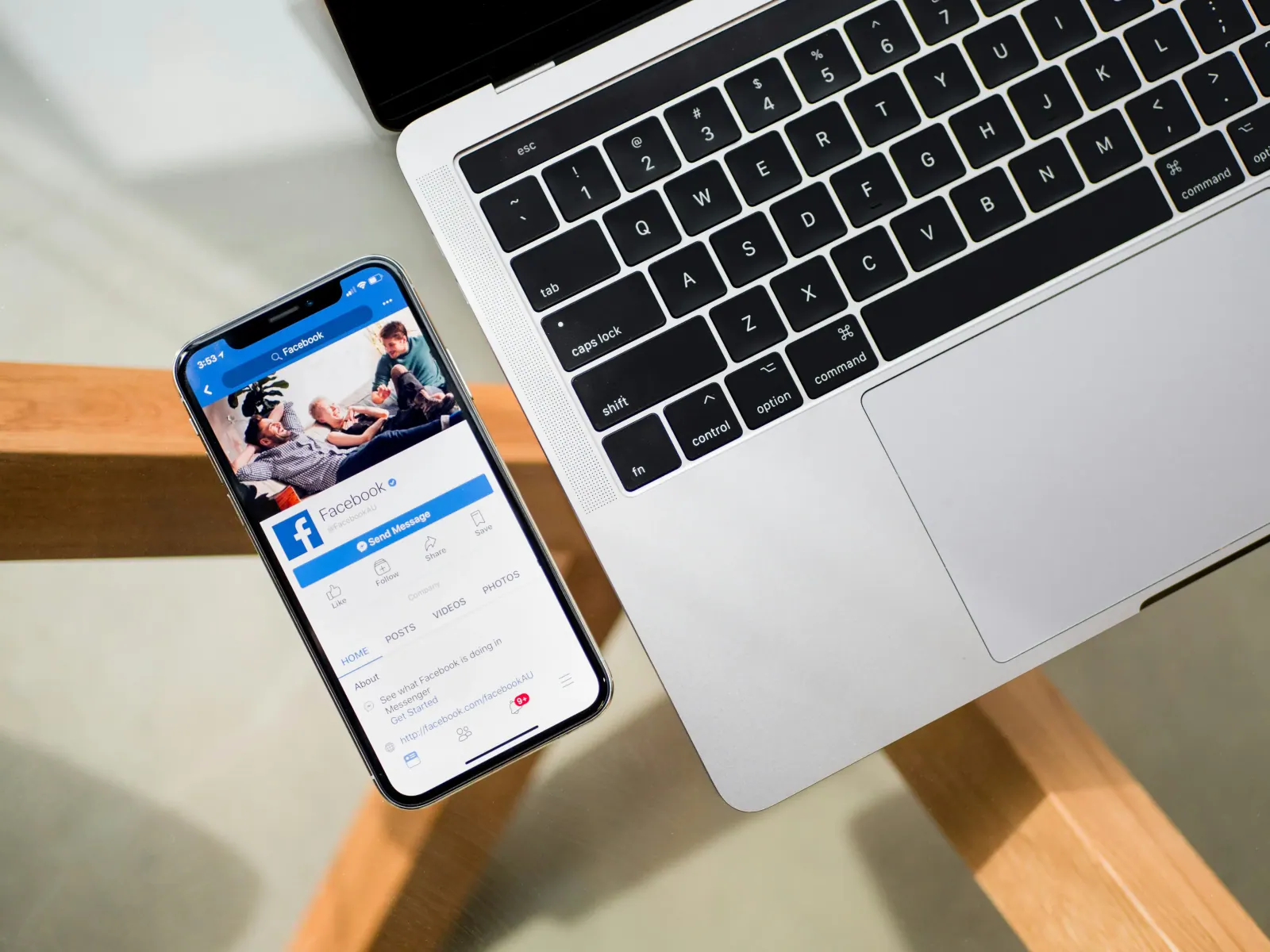
The digital shift in commerce has made Facebook Marketplace one of the world’s most active online marketplaces for consumers and small businesses alike. The rapid expansion of digital commerce, especially in emerging markets driven by social media growth, has fueled both opportunities and significant risks for brands regarding trademark protection and legal enforcement. Trademark misuse on platforms like Facebook Marketplace is increasing due to easy content sharing and counterfeit sales. Unfortunately, alongside its explosive growth has come a rise in trademark misuse, where sellers unfairly use brand names, logos, and trademarks to sell unauthorized or counterfeit products, often without the brand’s consent. For established brands, this trend creates legal, reputational, and commercial challenges they can’t ignore.
What Is Trademark Misuse on Facebook Marketplace?
Trademark misuse on platforms like Facebook Marketplace happens when sellers use a registered brand’s name, logo, slogan, or other trademarked assets without authorization to mislead buyers or gain sales advantage. This includes:
- Counterfeit listings labeled with a famous brand name
- Brand impersonation, where fake accounts mimic legitimate brands to deceive consumers
- Counterfeit ads and scam ads that promote fake products or trick consumers through misleading advertisements
- Lookalike branding that creates consumer confusion
- Descriptions suggesting endorsement or affiliation
- Unauthorized resellers misusing trademarks to drive clicks
These misleading tactics exploit brand equity to drive sales, often at the expense of consumer protection and the legitimate brand’s reputation. Additionally, user generated content can also lead to trademark misuse if not properly monitored.
Why Trademark Misuse Is Increasing on Facebook Marketplace
1. Marketplace Scale and Ease of Use
Facebook Marketplace’s accessibility, with millions of daily users posting listings, makes it a fertile ground for both legitimate sellers and bad actors. It is just one of many e-commerce platforms where trademark misuse is prevalent, highlighting the need for brands to monitor and protect their intellectual property across various online marketplaces. Many sellers may not understand trademark rules, while others exploit lax oversight.
2. Automated Moderation Can Misfire
Marketplaces increasingly rely on algorithms to detect policy violations. The same tools, such as AI and automation, are used by brands to protect their intellectual property and by infringers to evade detection, making enforcement more complex. However, automated systems may mislabel authentic listings as counterfeit or fail to catch sophisticated misuse, creating frustration for both brands and legitimate sellers.
3. Fraudsters Capitalize on Brand Recognition
Fraudsters know that famous brand names generate trust and clicks. Fraudulent use of brand names undermines brand authenticity and erodes customer trust, making it harder for consumers to distinguish genuine products from counterfeits. By inserting trademarked terms into their listings, even if the products are unrelated, they manipulate marketplace visibility and consumer search behavior.
Introduction to Trademark Misuse
- Trademark misuse on Facebook Marketplace is a growing concern for brand owners and intellectual property holders.
- The rise of e-commerce and social media platforms has created new opportunities for trademark infringement and misuse.
- Understanding trademark laws and protection strategies is essential for businesses operating in the digital age.
- Facebook Marketplace’s vast user base and global reach make it a prime target for trademark misuse and counterfeit goods.
- Brand reputation and consumer trust are at risk due to misleading ads and fake accounts.
Understanding Trademark Misuse
- Trademark misuse refers to the unauthorized use of a trademarked term, logo, or design that can cause consumer confusion.
- This can include counterfeit products, fake accounts, and misleading ads that infringe on trademark rights.
- Trademark protection is critical for maintaining brand identity and preventing intellectual property theft. Protecting intellectual property is essential for trademark owners to combat counterfeit products, unauthorized merchandise, and brand misappropriation across platforms.
- Social media listening tools can help brands monitor their trademarked terms and identify potential misuse. Trademark owners face unique legal challenges in the digital environment, such as online infringement, cybersquatting, and enforcement difficulties.
- Pursuing legal action against trademark infringers can be complex and time-consuming, requiring the expertise of a trademark attorney. Legal action against trademark infringement can be time-consuming and expensive, especially in international contexts.
How Trademark Misuse Happens
- Trademark misuse can occur through various means, including counterfeit products, fake accounts, and misleading ads.
- Unauthorized use of trademarked terms or logos can confuse consumers and damage brand reputation.
- Social media platforms like Facebook Marketplace can be exploited by infringers to sell counterfeit goods or promote fake accounts.
- Brand owners must be vigilant in monitoring their trademarked terms and taking action against infringers. Leveraging advanced brand monitoring tools, such as AI and automation, is essential for continuously tracking and protecting trademarks across social media platforms and digital spaces.
- Artificial intelligence can be used to identify unauthorized use of trademarks and detect infringing content. AI-powered tools can scan social media platforms for images, text, and videos that include trademarks, even if they have been altered slightly.
The Consequences of Trademark Misuse
- Trademark misuse can have serious consequences for brand owners, including significant financial losses and damage to brand reputation.
- Consumer trust can be eroded by counterfeit products and fake accounts, making it essential for brands to prioritize trademark protection. Trademark misuse also threatens a brand's integrity, undermining consumer trust and the brand's reputation.
- Trademark disputes can be costly and time-consuming to resolve, highlighting the importance of proactive monitoring and enforcement efforts. Fake products not only cause financial losses but also pose safety risks to consumers.
- Luxury brands are particularly vulnerable to trademark misuse, as counterfeiters often target high-end products and logos.
- Domain name disputes can also arise from trademark misuse, requiring brand owners to take action to protect their intellectual property.
Infringers can face severe civil and criminal penalties under the Lanham Act, including prison time and significant fines.
Brand Protection Strategies
- Brand protection strategies should include trademark registration, monitoring, and enforcement efforts.
- Social media monitoring tools can help brands identify potential trademark misuse and take action against infringers.
- Collaborating with business partners and influencers can help amplify brand protection efforts and prevent trademark misuse. Combating counterfeit goods requires a combination of advanced technologies, such as AI-powered monitoring and blockchain authentication, alongside robust legal strategies.
- Educating consumers about the risks of counterfeit products and fake accounts can also help prevent trademark misuse. Effective trademark enforcement and maintaining trademark integrity are essential for protecting brand authenticity, credibility, and customer trust in the digital marketplace.
- Utilizing brand rights protection tools, such as Facebook’s Brand Rights Protection Tool, can help streamline enforcement efforts. Brands should enroll in programs like Meta's Brand Rights Protection to manage and monitor trademark use.
Legal Considerations
- Trademark laws and regulations vary by country, making it essential for brand owners to understand the legal landscape. Filing trademark applications in all jurisdictions where the business operates is crucial to ensure comprehensive protection, especially given the global reach of online platforms like Facebook Marketplace.
- Pursuing legal action against trademark infringers requires a deep understanding of trademark laws and regulations.
- Cease and desist letters can be an effective way to address trademark misuse, but may not always be sufficient to resolve disputes.
- Trademark attorneys can provide valuable guidance and support in navigating complex trademark disputes.
- Staying ahead of trademark misuse requires ongoing monitoring and enforcement efforts, as well as a deep understanding of the latest trends and technologies. Brands must establish a strong trademark foundation by registering their trademarks in all jurisdictions where they operate.
Luxury Brands and Trademark Misuse
- Luxury brands are often targeted by counterfeiters due to their high value and prestige.
- Trademark misuse can damage the reputation and equity of luxury brands, making it essential to prioritize protection efforts.
- Luxury brands must be vigilant in monitoring their trademarked terms and taking action against infringers.
- Collaborating with law enforcement and other stakeholders can help luxury brands combat counterfeit goods and trademark misuse.
- Utilizing advanced technologies, such as artificial intelligence and blockchain, can help luxury brands stay ahead of trademark misuse.
Blockchain technology can be used to verify product authenticity and combat counterfeit goods by providing a secure, tamper-proof record of a product's origin and ownership.
Advanced counterfeiting techniques, including 3D printing, are expected to increase trademark risks significantly.
Domain Name Disputes
- Domain name disputes can arise from trademark misuse, requiring brand owners to take action to protect their intellectual property. Protecting domain names is a crucial part of an overall brand protection strategy, as unauthorized registration and misuse of domain names that incorporate trademarks can harm a brand's reputation and lead to consumer confusion.
- Trademark laws and regulations govern domain name disputes, and brand owners must understand these laws to navigate disputes effectively.
- Domain name disputes can be complex and time-consuming to resolve, highlighting the importance of proactive monitoring and enforcement efforts. Counterfeiters often exploit countries with weaker intellectual property laws to sell fake products, complicating enforcement for trademark owners.
- Utilizing domain name protection services can help brand owners prevent domain name disputes and trademark misuse.
- Staying informed about the latest trends and technologies in domain name protection can help brand owners stay ahead of trademark misuse.
Influencer Marketing and Trademark Misuse
- Influencer marketing can be an effective way to promote brands and products, but also poses risks for trademark misuse.
- Influencers must understand trademark laws and regulations to avoid infringing on trademark rights.
- Brands must carefully vet influencers and ensure they understand trademark protection efforts.
- Collaborating with influencers can help amplify brand protection efforts and prevent trademark misuse.
- Utilizing influencer marketing platforms and tools can help brands monitor and enforce trademark rights.
The Impact on Brands
Trademark misuse on Facebook Marketplace can have serious consequences:
- Consumer Confusion: Buyers may think they’re purchasing from or endorsed by the real brand.
- Reputation Damage: Inferior knockoffs associated with a brand can tarnish perceived quality.
- Lost Revenue: Unauthorized sellers divert genuine sales.
- Diluted Brand Identity: Repetitive misuse weakens the distinctiveness and value of trademarks.
Trademark misuse can jeopardize valuable trademark assets and lead to trademark violations, making it critical for brands to actively protect their intellectual property in online marketplaces.
Even well-intentioned sellers who misunderstand trademark law can create these risks for brands, so enforcement is essential.
The anonymity of the internet further complicates the identification and prosecution of trademark infringers, making proactive monitoring even more important.
What Brands Must Do: Strategies to Counter Trademark Misuse
1. Monitor Marketplace Listings Actively
Regularly search for unauthorized uses of your trademarks, logos, and product names. Brand monitoring, using advanced tools like AI and automation, plays a crucial role in identifying unauthorized use and potential infringement across social media platforms and digital spaces. Track spelling variants, common misspellings, or look-alike terms that might hide misuse.
Additionally, digital watermarking and fingerprinting technology can help protect your digital content and intellectual property online.
2. Use Platform Protection Tools
Meta’s Brand Rights Protection and Intellectual Property Reporting tools allow rights holders to report trademark misuse across ads and Marketplace listings. Major platforms like Facebook and Instagram have specific policies and tools to address trademark misuse, including verification processes and reporting mechanisms to combat impersonation and counterfeit accounts. These systems let brands flag content that violates IP rights and track takedown progress.
Meta may permanently disable accounts of repeat infringers on its platform.
3. Submit Reports with Clear Evidence
When reporting infringement:
- Provide direct links to listings
- Show trademark registration details
- Explain how the seller is misusing your brand
Effective trademark enforcement also includes monitoring for hashtag hijacking, where trademarked terms are used as hashtags to steal traffic.
Accurate, thorough reports increase the chances of fast removal.
4. Educate Consumers and Sellers
Transparent communication through official channels helps consumers identify genuine brand stores and encourages marketplace sellers to respect trademark guidelines. Maintaining customer trust is a key goal of consumer education, as it helps protect brand reputation and ensures consumers feel confident in their purchases.
Additionally, the anonymity of the internet complicates the identification and prosecution of those who infringe trademarks online, obstructing enforcement efforts.
5. Combine Internal Policy with Legal Action
A proactive enforcement strategy reserves takedown reports for manageable misuse and escalates significant infringement to legal counsel. Maintaining trademark integrity requires a combination of internal policy and legal action to protect a brand's authenticity, credibility, and trustworthiness. Combining platform policies with trademark law strengthens overall protection.
However, brands face challenges in protecting their trademarks due to the anonymity of social media platforms, which complicates enforcement efforts.
Challenges in Enforcement
Even with tools and strategy, brands often encounter hurdles:
- Slow Takedown Processes: Platforms may take several days to act.
- High Volume of Listings: Thousands of potential misuse cases may overwhelm IP teams.
- Global Jurisdiction Issues: Misuse often spans borders, complicating enforcement.
Trademark owners face significant legal challenges in enforcement, including online infringement, cybersquatting, and the complexities of protecting their rights across digital and social media platforms.
Brand owners should therefore view enforcement as ongoing and iterative, not one-and-done. Trademark enforcement is further complicated by jurisdictional challenges, especially when infringement occurs across multiple countries.
Final Thoughts
The rise of trademark misuse on Facebook Marketplace highlights a critical reality for brands: digital marketplaces are both an opportunity and a risk. While these platforms open new avenues for reaching customers, they also provide fertile ground for counterfeiters and unauthorized sellers to exploit your brand.
In the rapidly evolving landscape of digital commerce, maintaining brand authenticity is crucial. Ensuring product genuineness and protecting brand integrity through trademark protection and verification not only enhances consumer trust but also strengthens your position in the marketplace.
Proactive monitoring, clear reporting, and leveraging the platform’s brand protection tools are no longer optional, they are essential. Brands that combine vigilance with consumer education and legal readiness not only safeguard revenue but also protect their reputation and long-term trust.
Ultimately, staying ahead of trademark misuse requires a strategic, ongoing approach: know your brand’s presence, act decisively when infringement occurs, and view enforcement as part of your broader brand protection strategy. By doing so, your business can thrive safely in the growing world of online marketplaces. Maintaining brand authenticity is essential for long-term success in digital commerce.
FAQs
1. What counts as trademark misuse on Facebook Marketplace?
Trademark misuse occurs when someone uses a brand’s name, logo, or other trademarked asset without permission to sell products, create confusion, or suggest endorsement. This includes counterfeit listings, lookalike branding, misleading product descriptions, brand impersonation through fake accounts that mimic legitimate brands, and misuse of user generated content where consumers or third parties use trademarks in ways that may lead to infringement or legal issues.
2. How can brands find unauthorized listings on the Marketplace?
Brands can monitor listings by searching for their trademarks, brand names, and logo variations. Tools like automated brand protection software, social listening, and marketplace reporting dashboards can also help track misuse at scale. Leveraging brand monitoring tools can automate the process of finding unauthorized listings, making it easier to detect infringement and protect your brand across digital platforms.
3. What should a brand do if they find trademark infringement?
Brands should document the infringement with screenshots and URLs, then submit a report through Facebook’s Intellectual Property Reporting tools. Clear evidence and trademark registration details speed up removal. For more complex cases of trademark enforcement, it may be necessary to consult a trademark attorney to ensure proper action and protect your brand’s integrity.
4. Can Facebook Marketplace remove counterfeit or misleading listings?
Yes. Once a valid report is submitted, Facebook reviews the case and can remove the listing, suspend the seller, or take further enforcement action. Facebook can also remove counterfeit ads and unauthorized ads that misuse trademarks. Using precise documentation increases the chances of fast removal.
5. How can brands prevent trademark misuse in the first place?
Prevention involves ongoing monitoring, consumer education, and clear communication of authorized sellers. Registering trademarks in all relevant markets and using marketplace reporting tools proactively also helps protect brand identity. Brands should also file trademark applications in key jurisdictions to safeguard their trademark assets and maintain their brand's integrity in the face of online counterfeiting and misuse.