


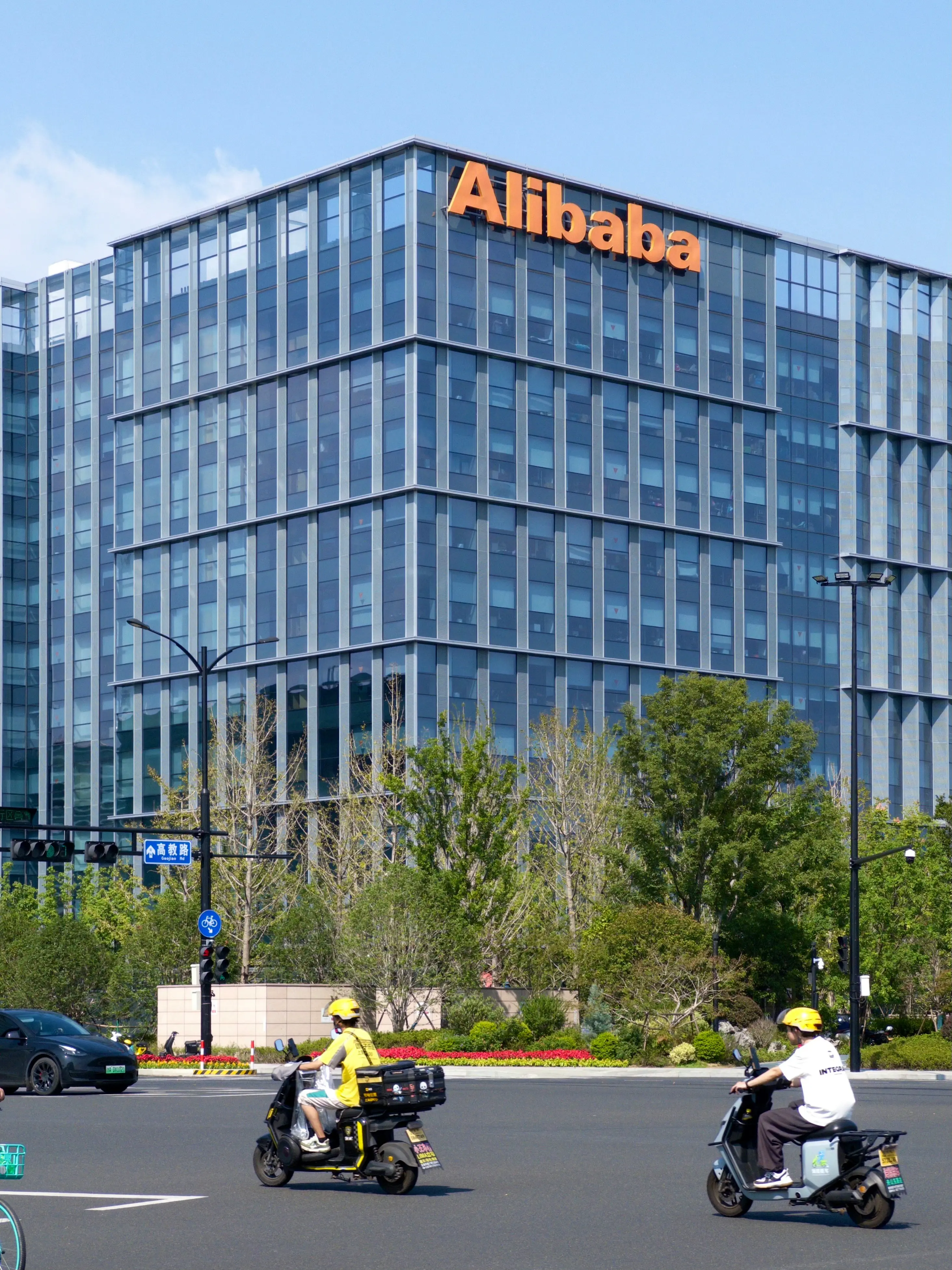
Alibaba has become one of the world’s largest e-commerce platforms, connecting millions of sellers with global buyers. While this marketplace offers incredible opportunities, it also presents a major challenge for brands: unauthorized sellers. These are sellers who distribute your products without permission, often at lower prices, potentially damaging your brand reputation and revenue.
What Are Unauthorized Sellers?
Unauthorized sellers are individuals or companies that sell your products without official authorization. They may:
- Offer counterfeit or imitation products.
- Sell genuine products purchased from secondary sources.
- Misrepresent pricing or branding to attract customers.
Even if the products are genuine, unauthorized sellers can undermine your pricing strategy, reduce margins, and create confusion for customers.
Why Fighting Unauthorized Sellers Matters
- Protects Brand Reputation
Unauthorized sellers may not follow your quality standards or provide proper customer service. If customers have a poor experience, they may associate it with your brand. - Safeguards Revenue
Unauthorized sellers can undercut official pricing or divert sales from authorized channels, impacting your bottom line. - Maintains Customer Trust
Ensuring that customers buy from verified sources builds loyalty and trust in your brand. - Prevents Legal Risks
Unauthorized distribution can sometimes lead to intellectual property violations or regulatory complications if products are misrepresented.
How to Identify Unauthorized Sellers on Alibaba
- Monitor listings regularly: Look for unusual pricing, high volumes from unverified sellers, or multiple sellers offering the same product.
- Check seller information: Review account details, feedback ratings, and company verification.
- Track product authenticity: Watch for altered branding, packaging errors, or inconsistent product descriptions.
Steps to Fight Unauthorized Sellers
1. Register Your Intellectual Property
- Ensure your trademarks, copyrights, and patents are officially registered in key markets, including China if selling there.
- Registered IP gives you stronger legal standing when reporting unauthorized sellers.
2. Use Alibaba’s IP Protection Platform
- File complaints for counterfeit or unauthorized products using Alibaba’s IP Protection Platform.
- Provide supporting evidence such as trademark certificates, product photos, and proof of authorized distribution.
- Track complaint status through Alibaba’s monitoring tools.
3. Enforce Brand Policies
- Create clear distribution and reseller agreements.
- Communicate policies to authorized sellers and educate them about reporting unauthorized sellers.
4. Monitor and Track Regularly
- Continuously scan Alibaba for new listings that may infringe your brand.
- Use automated monitoring tools or third-party brand protection services for efficiency.
5. Educate Customers
- Highlight official channels on your website and social media.
- Help customers recognize authorized sellers, genuine products, and proper pricing.
Proactive Tips for Long-Term Protection
- Collaborate closely with Alibaba’s brand protection team.
- Implement anti-counterfeit technologies like holograms or QR codes.
- Maintain a rapid takedown strategy for unauthorized listings.
- Build strong relationships with authorized distributors to reduce leakage.
Introduction to Brand Protection
- Brand protection is crucial for companies to prevent unauthorized sellers from selling counterfeit products on Alibaba - one of the world’s largest online marketplaces.
- Intellectual property rights (IPR) are essential for brand owners to protect their products from counterfeiters and rogue sellers.
- Alibaba’s IP Protection Platform provides tools for brand owners to report and remove infringing listings, but it requires proactive efforts to monitor and enforce IPR.
- Effective brand protection strategies involve a combination of online monitoring, takedown requests, and collaboration with trade associations and law enforcement agencies.
Understanding Alibaba Group
- Alibaba Group is a leading global e-commerce company that connects buyers and sellers from around the world.
- Alibaba’s platforms, including Alibaba.com and AliExpress, facilitate trade between businesses and consumers, but also attract counterfeiters and unauthorized sellers.
- Understanding Alibaba’s ecosystem and policies is vital for brand owners to navigate the platform and protect their IPR.
- Alibaba’s IP Protection Platform is a key resource for brand owners to report and remove counterfeit listings, but it requires registration and verification of IPR.
IP Protection Strategies
- Registering trademarks, patents, and copyrights is the first step in protecting intellectual property rights on Alibaba.
- Conducting regular online monitoring and using tools like Red Points can help brand owners detect and report infringing listings.
- Filing takedown requests and working with Alibaba’s IP Protection Platform can help remove counterfeit products from the platform.
- Collaborating with trade associations, law enforcement agencies, and other stakeholders can help brand owners stay ahead of counterfeiters and protect their IPR.
Identifying Red Flags
- New sellers with low ratings or no feedback may be indicative of counterfeit or unauthorized activity.
- Listings with low prices or unrealistic product claims may be fake or counterfeit.
- Sellers using fake or stolen images, or those with poor communication skills, may be rogue sellers.
- Brand owners should be cautious when dealing with sellers who are pushy or aggressive in their sales tactics.
Design Rights and Counterfeiting
- Design rights are an essential aspect of intellectual property protection, as they cover the physical appearance of products.
- Counterfeiters often target products with unique designs or features, making design rights crucial for brand protection.
- Registering design rights can help brand owners prevent counterfeiters from creating fake products that infringe on their designs.
- Enforcing design rights on Alibaba requires proactive monitoring and reporting of infringing listings.
Social Commerce and Brand Protection
- Social commerce platforms like TikTok and Instagram are increasingly being used by counterfeiters to sell fake products.
- Brand owners must be aware of the risks of social commerce and take steps to protect their IPR on these platforms.
- Monitoring social media and using tools like Red Points can help brand owners detect and report counterfeit activity.
- Collaborating with social media platforms and law enforcement agencies can help brand owners stay ahead of counterfeiters.
Online Marketplaces and Counterfeiting
- Online marketplaces like eBay, Amazon, and Alibaba are vulnerable to counterfeit activity.
- Brand owners must be proactive in monitoring and reporting infringing listings on these platforms.
- Using tools like Red Points and collaborating with online marketplaces can help brand owners protect their IPR.
- Registering trademarks, patents, and copyrights is essential for brand owners to protect their products from counterfeiters.
Building an Evidence Pack
- Building an evidence pack is essential for brand owners to prove ownership of their IPR.
- An evidence pack should include registration certificates, product samples, and other relevant documents.
- Using an evidence pack can help brand owners file effective takedown requests and enforce their IPR.
- Collaborating with trade associations and law enforcement agencies can help brand owners build a strong evidence pack.
Monitoring and Transparency
- Monitoring online marketplaces and social media is essential for brand owners to detect and report counterfeit activity.
- Using tools like Red Points can help brand owners monitor online platforms and detect infringing listings.
- Transparency is crucial in brand protection, as it helps brand owners build trust with customers and stakeholders.
- Collaborating with trade associations and law enforcement agencies can help brand owners stay transparent and accountable.
Proactive Brand Defense
- Proactive brand defense is essential for brand owners to stay ahead of counterfeiters.
- Using tools like Red Points and collaborating with trade associations and law enforcement agencies can help brand owners detect and report counterfeit activity.
- Registering trademarks, patents, and copyrights is essential for brand owners to protect their products from counterfeiters.
- Monitoring online marketplaces and social media is crucial for brand owners to detect and report infringing listings.
Understanding Counterfeit Goods: What They Are and Why They Matter
Counterfeit goods are products made to imitate genuine items, usually copying brand names, logos, packaging, and design without authorization. These goods are sold illegally, often at lower prices, and are intended to deceive consumers into thinking they are buying authentic products.
Common Examples of Counterfeit Goods
- Fashion and Accessories: Fake designer handbags, shoes, or watches.
- Electronics: Imitation smartphones, headphones, or chargers.
- Beauty and Health Products: Counterfeit cosmetics, skincare, or supplements.
- Everyday Consumer Goods: Toys, home appliances, or branded merchandise.
Why Counterfeit Goods Are a Problem
- Consumer Safety Risks: Counterfeit products are often low-quality and may be unsafe—especially electronics, cosmetics, or pharmaceuticals.
- Brand Reputation Damage: Customers may associate poor-quality counterfeit items with your brand.
- Economic Impact: They divert sales from legitimate businesses and hurt the economy.
- Legal Consequences: Selling or distributing counterfeit goods is illegal and can lead to lawsuits, fines, or criminal charges.
How to Spot Counterfeit Goods
- Price Check: Extremely low prices compared to the market can be a red flag.
- Packaging and Labels: Look for misspellings, blurry printing, or unusual logos.
- Seller Verification: Buy only from authorized retailers or official brand stores.
- Product Quality: Poor stitching, materials, or inconsistencies can indicate a fake.
How Brands Can Protect Themselves
- Register IP Rights: Trademarks, copyrights, and patents provide legal protection.
- Monitor Online Marketplaces: Watch for unauthorized or suspicious listings.
- Use Anti-Counterfeit Technologies: Holograms, QR codes, or serial numbers can help verify authenticity.
- Educate Consumers: Help buyers identify genuine products and authorized sellers.
Understanding Infringing Listings: What They Are and Why They Matter
Infringing listings are product listings on e-commerce platforms that violate a brand’s intellectual property (IP) rights. These listings may use trademarks, copyrighted materials, or patented designs without authorization, often misleading consumers into believing they are buying legitimate products.
Common Types of Infringing Listings
- Counterfeit Products: Fake items that replicate a brand’s logo, packaging, or design.
- Unauthorized Resellers: Sellers offering genuine products without permission from the brand.
- Copyright Violations: Listings that use copyrighted images, videos, or text without permission.
- Patent Infringements: Products that replicate patented designs or technologies.
Why Infringing Listings Are a Problem
- Brand Reputation Damage: Customers who receive poor-quality or fake products may associate the negative experience with your brand.
- Revenue Loss: Unauthorized or counterfeit sales can divert revenue from legitimate channels.
- Customer Confusion: Shoppers may struggle to distinguish authentic products from infringing ones.
- Legal Risks: Allowing infringing listings to persist could expose brands or marketplaces to legal disputes.
How to Spot Infringing Listings
- Check Seller Credentials: Look for verified sellers and official stores.
- Inspect Product Images: Compare images to official product photos for inconsistencies.
- Review Pricing: Prices far below market value may indicate unauthorized or counterfeit products.
- Look for IP Usage: Unauthorized use of logos, brand names, or copyrighted content is a red flag.
Final Thoughts
Fighting unauthorized sellers on Alibaba is not just about protecting revenue—it’s about safeguarding your brand’s reputation and maintaining customer trust. In a vast marketplace with millions of listings, proactive measures such as registering intellectual property, monitoring seller activity, using Alibaba’s IP Protection Platform, and educating customers are essential.
Brands that take a strategic, hands-on approach can minimize risks, enforce their rights effectively, and ensure that their products are represented accurately. By combining vigilance, legal tools, and strong distribution policies, your brand can thrive on Alibaba while keeping unauthorized sellers at bay.
FAQs
1. What is an unauthorized seller on Alibaba?
An unauthorized seller is a person or company that sells your products without official permission. They may offer counterfeit items, resell genuine products from secondary sources, or misrepresent your brand.
2. Why are unauthorized sellers a problem for brands?
They can damage brand reputation, reduce revenue by undercutting prices, confuse customers, and even create legal or regulatory risks if products are misrepresented.
3. How can I identify unauthorized sellers on Alibaba?
Look for unusual pricing, unverified seller accounts, inconsistent product descriptions, or altered branding. Regular monitoring of listings helps spot potential issues early.
4. What tools does Alibaba provide to fight unauthorized sellers?
Alibaba’s IP Protection Platform allows brands to report counterfeit or unauthorized listings, submit evidence, and track takedown actions. Collaboration with Alibaba’s brand protection team can enhance enforcement.
5. How can brands prevent unauthorized sellers in the long term?
Register your trademarks and IP, implement clear distribution policies, monitor listings regularly, educate consumers on authorized sellers, and use anti-counterfeit measures like QR codes or holograms.