





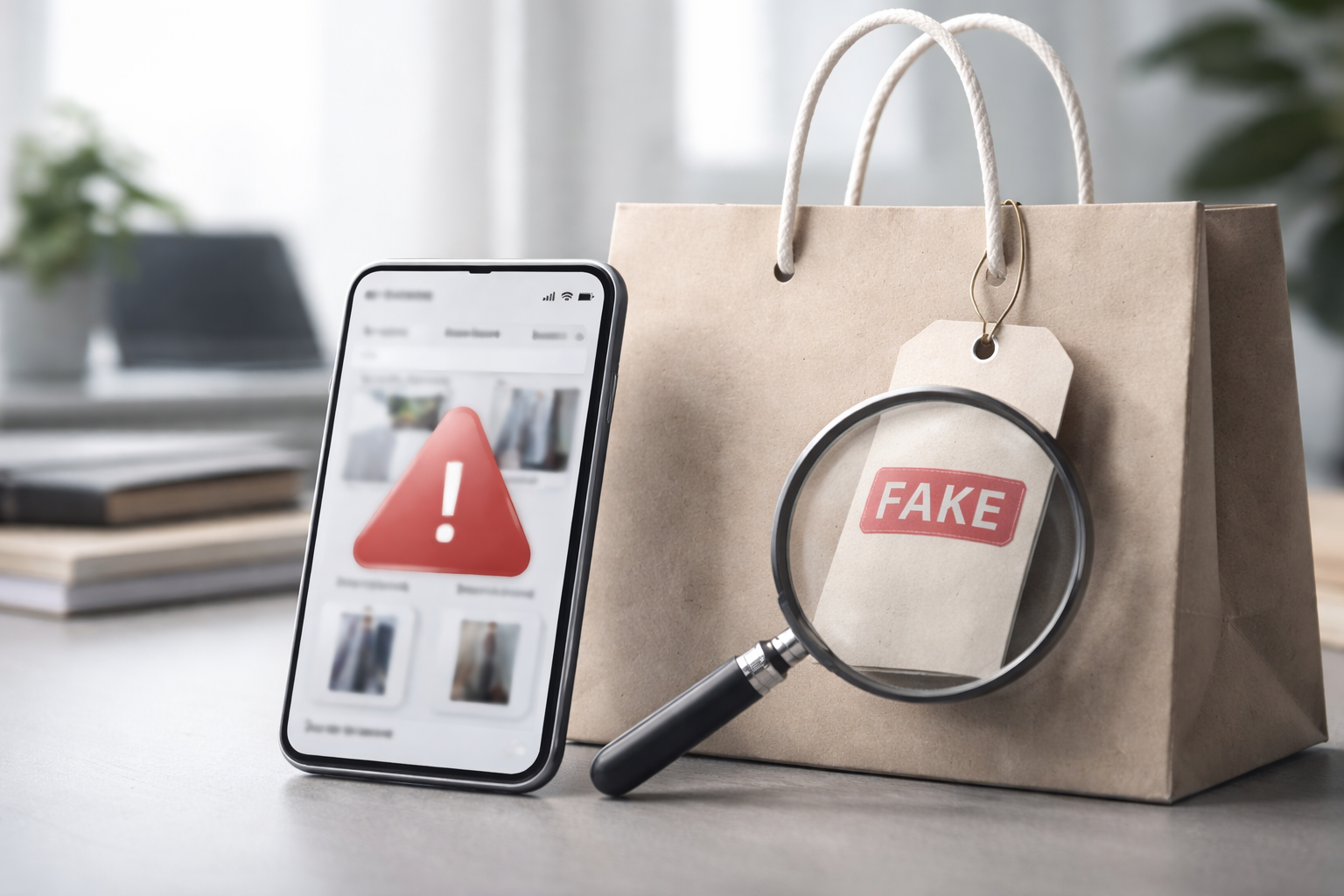
Brand misuse in ecommerce affects customer trust in online stores by creating confusion, lowering confidence, and weakening the connection between customers and official sales channels. When shoppers see copied listings, reused images, inaccurate product claims, or unauthorized sellers on the internet, they begin to question whether the brand is reliable.
Trust is one of the main drivers of ecommerce conversion. Customers buy faster when they believe the product is authentic, the pricing is stable, and the seller is legitimate. Brand misuse interrupts all three, ultimately damaging the company's reputation.
Why Customer Trust Breaks Down
Consumers expect consistency from ecommerce brands. They expect:
- Accurate product images
- Clear product descriptions
- Stable price points
- Reliable delivery expectations
Your brand's reputation is your most valuable asset, and maintaining a positive image is critical. When unauthorized sellers reuse brand content, that consistency disappears.
A shopper may see the same product presented in different ways across multiple channels. One listing may show outdated specifications. Another may use low-quality images. Another may promise unrealistic pricing or delivery. Even if the official store is correct, the customer now sees a fragmented brand.
That confusion reduces trust before the purchase even happens, inevitably leading to poor customer feedback and negative reviews. Research shows that a confused buyer will simply abandon their cart and turn to your competitors.
Common Forms of Brand Misuse
Brand misuse usually appears through:
- Copied product images and stolen logo designs
- Duplicated descriptions on an unofficial website
- Misleading product titles
- Unauthorized reseller listings on online marketplaces
- Fake storefronts using brand language
- Inconsistent pricing tied to official content
- Counterfeit products masquerading as the real deal
- Unauthorized use of intellectual property across various social media platforms
These issues do not stay isolated on social media or third-party sites. They affect how the customer interprets the entire brand, stripping away the company's core values and tarnishing the brand's image.
The "Digital Real Estate" Metaphor: Why Trust is Everything
To understand consumer hesitation, think of a brand's online presence like physical property. If a person is looking for a new apartment to rent, they want the security of a legitimate lease. They would be highly suspicious if asked to send payment for a shady application fee or hand over cash to someone who only has a flimsy business card for a rental they don't even own.
The online market operates on this exact same sense of trust. If a bad actor sets up a fake storefront to trick consumers to pay money for goods that never arrive, they are essentially leasing digital space under false pretenses. Overcoming this requires ongoing consumer education and strict brand enforcement.
Commercial Impact on Ecommerce Stores
Lower Conversion Rates and Lost Revenue
When customers are unsure which listing is official, they hesitate. That hesitation lowers conversion across paid and organic traffic, directly causing lost sales and lost revenue. Protecting your core revenue streams is essential for the survival of the business.
Higher Customer Support Load
Misleading listings create support issues. Customers will contact your services team to ask:
- Is this your product?
- Is this seller authorized?
- Why is the price different?
- Why does this description not match your website?
That increases workload, forcing your team to address and report these issues rather than focusing on growth and securing future sales.
Long-Term Reputation Damage
Trust is difficult to create and easy to lose. When a customer has a poor experience through an unauthorized listing, they often blame the brand, not the seller. Effective reputation management is necessary to prevent this long-term fallout.
Where the Problem Shows Up
Marketplace
How Brand Misuse Manifests
Amazon
High-volume distribution makes listing duplication easy. Customers often compare multiple versions of the same product and may not know which is official.
eBay
Older images, copied descriptions, and inconsistent seller quality create a trust problem quickly.
Walmart Marketplace
Unauthorized listings can sit close to official brand listings, reducing clarity and weakening pricing control. Partners must remain vigilant.
Why Trust Matters More Than Visibility
Many brands focus on visibility first. But visibility without trust does not drive efficient revenue. Consumer behavior dictates that shoppers crave reliability. A brand may still rank in a search or generate clicks through ads, yet lose performance because:
- The customer sees mixed signals
- The product experience feels inconsistent
- The official offer is diluted by copied content
Your reputation is a valuable asset; visibility without trust is hollow.
What Ecommerce Brands Should Do: A Comprehensive Strategy
To safeguard your company, you need a comprehensive strategy for brand protection and brand reputation management.
- Step 1: Audit How Brand Content Appears: Review where your product images, titles, and descriptions are being reused. Use data insights to track brand mentions online.
- Step 2: Identify Trust-Breaking Listings: Focus first on listings that distort price, product quality, or legitimacy. For example, flag sellers making false claims.
- Step 3: Remove Harmful Content Quickly: Additionally, take swift enforcement actions. The longer misleading content stays live, the more trust erosion spreads.
- Step 4: Maintain Continuous Monitoring: Brand misuse is ongoing. Maintaining strict protection and management protocols is vital to protect your brand. Ensure your payment gateways are secure and let your official channels lead the way.
FAQ Section
How does brand misuse affect ecommerce trust? Brand misuse creates inconsistency across listings, pricing, and product presentation. Customers become less confident in what is authentic, which reduces trust in the brand overall.
Why do customers blame the brand instead of the seller? Most shoppers remember the brand name, not the seller's name. They often don't understand the importance of verifying third-party sellers. If they receive a poor experience through a copied or misleading listing, they associate the problem directly with the brand.
Can unauthorized listings reduce conversions on the official store? Yes. Even when customers land on the official store, they may already have seen conflicting product information elsewhere, which lowers confidence and slows purchase decisions.
Is this only a marketplace problem? No. It often starts on marketplaces, but the impact spreads across search, social, support, and direct store conversions.
Final Take
Brand misuse damages customer trust by making the buying journey inconsistent. When customers cannot clearly identify the official product, official pricing, or official seller, confidence drops and conversion follows.
For ecommerce brands, online reviews and customer perception dictate success. Trust protection is not separate from growth—it is the foundation of it.





.webp)