





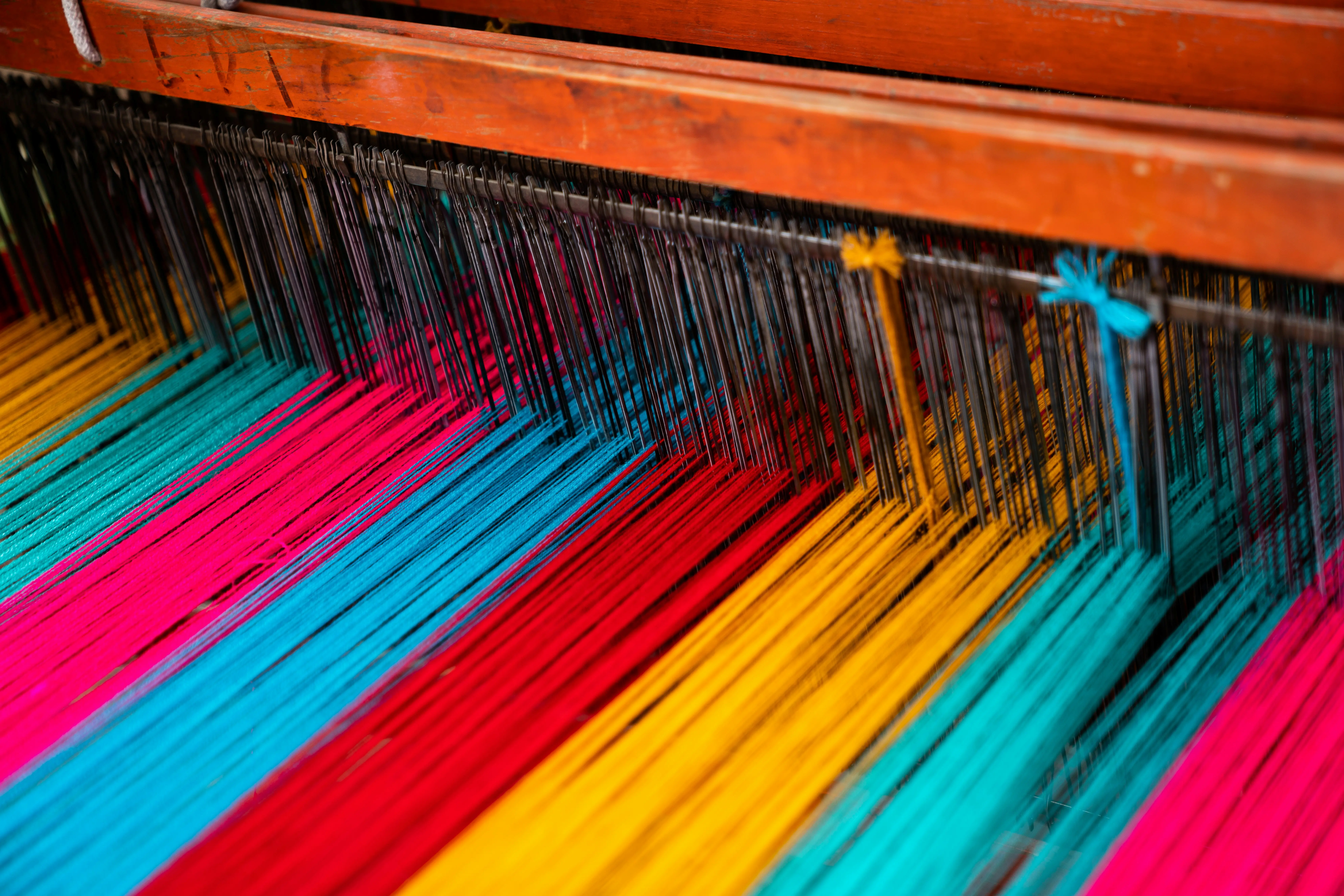
In today’s digital-first world, textile manufacturing brands face a unique challenge: protecting their visual assets. High-quality product images, marketing visuals, and design photos are not just creative content—they are key tools that drive brand recognition, customer trust, and sales. Unfortunately, in global online marketplaces, image theft has become a rampant issue, with counterfeiters and unauthorized sellers using stolen images to promote substandard or fake products. So, how can textile manufacturing brands fight image theft in global online marketplaces? Let’s explore actionable strategies.
1. Understand the Scope of Image Theft
Before tackling image theft, brands need to recognize how pervasive it is. Online marketplaces allow millions of listings, making it easy for unscrupulous sellers to lift images. Regular monitoring of these platforms helps identify unauthorized use quickly, allowing brands to take timely action.
2. Watermarking and Branding
One of the simplest yet effective methods is watermarking product images with subtle branding. While overt watermarks can be visually distracting, a discreet watermark that includes the brand name or logo can deter misuse while keeping your visuals professional.
3. Use Reverse Image Search Tools
Brands can leverage reverse image search tools like Google Images or TinEye to track where their images appear online. By regularly performing searches, textile brands can detect unauthorized use on both global marketplaces and smaller e-commerce platforms.
4. Enforce Intellectual Property Rights
Textile brands should take a proactive approach to intellectual property. This includes registering copyrights for images and designs. Most marketplaces, including Amazon and Alibaba, have formal procedures to report stolen content. Providing proof of ownership allows brands to request immediate removal of infringing listings.
5. Educate Your Team and Partners
Fighting image theft isn’t just about monitoring online marketplaces—it’s about prevention. Educate your internal team and retail partners about the importance of original content. Establish clear guidelines for image sharing and distribution to minimize the risk of images leaking to unauthorized sellers.
6. Leverage Technology Solutions
Some brands are turning to advanced digital asset management (DAM) systems and image tracking software that can automatically detect unauthorized usage. These tools offer real-time alerts and make it easier to take action quickly, protecting both your brand and revenue.
7. Build a Strong Brand Presence
Finally, the more recognized and trusted your brand becomes, the less likely counterfeiters can benefit from stolen images. Consistent branding, high-quality visuals, and active engagement on marketplaces and social media make it harder for unauthorized sellers to deceive customers.
Introduction to the Problem
- The fashion industry faces significant threats from online counterfeiting, with counterfeit goods accounting for 3.3% of global trade, impacting fashion brands and their online sales.
- Fashion designers and brands must safeguard their brand reputation and intellectual property to prevent revenue loss and damage to their brand value.
- Online counterfeiting occurs on social media platforms and online marketplaces, making it challenging for fashion business owners to protect their brand logos and products.
- The rise of fast fashion brands and e-commerce has increased the risk of counterfeit fashion items and fake goods being sold online.
Understanding Online Counterfeiting
- Online counterfeiting involves the sale of counterfeit products, including fashion items, on digital channels such as online marketplaces and social media platforms.
- Counterfeit goods can be found on popular online platforms, including mobile apps, and can be difficult to distinguish from genuine products.
- Fashion designers and brands must be aware of the risks of online counterfeiting and take proactive steps to protect their intellectual property and brand reputation.
- The use of technological tools, such as image recognition software, can help brands identify and remove counterfeit products from online marketplaces.
The Impact of Counterfeiting
- Counterfeiting can have a significant impact on fashion brands, including revenue loss, damage to brand reputation, and decreased consumer trust.
- The sale of counterfeit goods can also divert money away from legitimate businesses, harming the fashion industry as a whole.
- Fashion brands must prioritize brand protection and intellectual property rights to prevent counterfeiting and protect their business strategy.
- The economic impact of counterfeiting can be substantial, with some estimates suggesting that counterfeit goods account for up to 5% of global trade.
Brand Protection Strategies
- Fashion brands can use various strategies to protect their brand reputation and intellectual property, including registering trademarks and copyrights.
- Brands can also use online brand protection platforms to monitor online marketplaces and social media platforms for counterfeit products.
- The use of desist letters and legal action can also be effective in preventing counterfeiting and protecting intellectual property rights.
- Fashion designers and brands must take a proactive approach to brand protection, using innovative ways to stay ahead of counterfeiters.
The Role of Legal Action
- Legal action can be an effective way to prevent counterfeiting and protect intellectual property rights, but it can be time-consuming and costly.
- Fashion brands must be prepared to pursue legal action against counterfeiters, including sending desist letters and filing lawsuits.
- The use of legal action can help to deter counterfeiters and protect brand reputation, but it must be used in conjunction with other brand protection strategies.
- Fashion designers and brands must also be aware of copyright law and intellectual property rights to effectively protect their work.
Global Hub for Counterfeiting
- The global hub for counterfeiting is often associated with countries with weak intellectual property laws and enforcement.
- Fashion brands must be aware of the risks of counterfeiting in these countries and take steps to protect their brand reputation and intellectual property.
- The use of online brand protection platforms can help to monitor online marketplaces and social media platforms for counterfeit products, regardless of location.
- Fashion designers and brands must also be aware of the role of social media platforms in facilitating counterfeiting and take steps to protect their brand reputation.
How Fashion Brands Can Fight Image Theft in Global Online Marketplaces
In the fast-paced world of fashion, brand images are everything. From product photos to runway shots, visuals help fashion brands establish identity, attract customers, and drive sales. But in global online marketplaces, image theft has become a growing problem. Counterfeiters and unauthorized sellers often lift images to promote fake or low-quality products. So, how can fashion brands fight image theft in global online marketplaces? Let’s explore proven strategies.
1. Monitor Online Marketplaces
Fashion brands need to actively track where their images appear. With millions of listings across platforms like Amazon, Alibaba, and Zalando, regular monitoring helps identify unauthorized usage before it harms your brand.
2. Use Watermarks and Branding
Adding subtle watermarks to product images can deter misuse while keeping visuals professional. Logo placement, brand-specific patterns, or other discreet marks ensure that stolen images are traceable back to your brand.
3. Leverage Reverse Image Search
Tools like Google Images, TinEye, and other image tracking software allow brands to search the web for duplicates of their visuals. This is crucial for spotting counterfeit listings in real time.
4. Protect Your Intellectual Property
Fashion brands should register copyrights for original images and designs. Marketplaces often have formal processes for reporting intellectual property violations, and proof of ownership is key for removing infringing listings.
5. Educate Teams and Partners
Preventing image theft starts internally. Train your marketing, sales, and retail partners on proper image sharing practices. Clear guidelines reduce accidental leaks and unauthorized use of visual assets.
6. Use Technology Solutions
Advanced digital asset management (DAM) systems and AI-based image tracking can automatically detect misuse across global marketplaces. These tools save time and increase the speed of enforcement actions.
7. Build a Strong Brand Presence
A well-known, trusted brand is harder for counterfeiters to exploit. Consistent branding, high-quality visuals, and active engagement on marketplaces and social media reinforce authenticity and protect your reputation.
The fashion industry thrives on creativity, visual storytelling, and trend-setting designs. From high-fashion runway shows to seasonal collections, images are the lifeblood of marketing and brand identity. Unfortunately, in today’s global online marketplaces, image theft has become a major challenge. Unauthorized sellers and counterfeiters often lift images to promote fake or substandard products, which can damage reputation, mislead customers, and hurt sales. So, how can the fashion industry fight image theft in global online marketplaces? Let’s break it down.
1. Recognize the Scale of the Problem
Image theft is widespread across platforms like Amazon, eBay, Alibaba, and Zalando. Fashion companies need to actively monitor these platforms, as stolen images can appear almost anywhere—from small online shops to major e-commerce sites.
2. Implement Watermarks and Brand Signatures
Watermarking images with your logo or unique brand signature can discourage unauthorized use. For the fashion industry, subtle watermarks maintain a professional look while making it easier to prove ownership if images are stolen.
3. Use Reverse Image Searches and Tracking Tools
Reverse image search engines like Google Images or TinEye, along with AI-powered tracking tools, allow companies to locate unauthorized usage quickly. Regular scanning ensures swift action against infringers.
4. Protect Intellectual Property Proactively
Copyright registration for product images, lookbooks, and design photography is crucial. Many marketplaces offer formal reporting procedures to remove stolen content, but proof of ownership is essential for swift enforcement.
5. Educate Internal Teams and Partners
The fashion industry relies on collaboration across design, marketing, and retail. Training staff and partners on proper image sharing practices reduces accidental leaks and prevents images from falling into the wrong hands.
6. Leverage Technology and Automation
Digital Asset Management (DAM) systems and AI-based image protection tools can automate detection of stolen images. They alert brands in real time, helping the fashion industry take faster action and protect revenue.
7. Strengthen Brand Identity Online
The more recognizable and trusted a fashion brand is, the harder it becomes for counterfeiters to profit from stolen images. Consistent branding, high-quality visuals, and active engagement on marketplaces and social media reinforce authenticity and credibility.
How the Fashion Industry Can Fight Image Theft and Combat Counterfeit Goods in Global Online Marketplaces
Counterfeit goods are one of the biggest threats to the fashion industry today. From fake designer handbags to knockoff sneakers, counterfeiters not only damage a brand’s reputation but also mislead customers into buying inferior products. A common tactic used by counterfeit sellers is image theft—stealing authentic product photos to make fake items appear legitimate. So, how can the fashion industry fight image theft and protect itself from counterfeit goods in global online marketplaces?
Final Thoughts
In the digital age, a textile brand’s images are more than just pictures—they’re an extension of the brand’s identity and a powerful tool for driving sales. Fighting image theft in global online marketplaces requires vigilance, strategy, and the right combination of technology and legal action. By proactively monitoring listings, watermarking images, leveraging reverse image search, and enforcing intellectual property rights, textile brands can protect their creative assets and maintain trust with customers.
Ultimately, safeguarding your images isn’t just about stopping theft—it’s about preserving your brand’s reputation and ensuring that every product representation online reflects the quality and authenticity your customers expect. Staying proactive today can prevent bigger problems tomorrow and strengthen your brand in the global marketplace.
FAQs
1. What is image theft in online marketplaces?
Image theft occurs when someone uses your brand’s product images without permission, often to sell counterfeit or unauthorized products. This can damage your brand reputation and mislead customers.
2. How can textile brands detect stolen images?
Brands can use reverse image search tools like Google Images or TinEye, or employ specialized image tracking software to monitor where their visuals appear online.
3. Are watermarks effective in preventing image theft?
Yes. Discreet watermarks with your logo or brand name can deter unauthorized use while maintaining professional aesthetics. However, it works best alongside monitoring and enforcement strategies.
4. What should a brand do if its images are stolen?
Textile brands should report the infringement to the marketplace using their intellectual property complaint process. Providing proof of ownership often leads to prompt removal of unauthorized listings.
5. Can technology help fight image theft?
Absolutely. Digital asset management (DAM) systems and AI-based image monitoring tools can automatically detect misuse, send alerts, and streamline takedown processes.


.webp)