





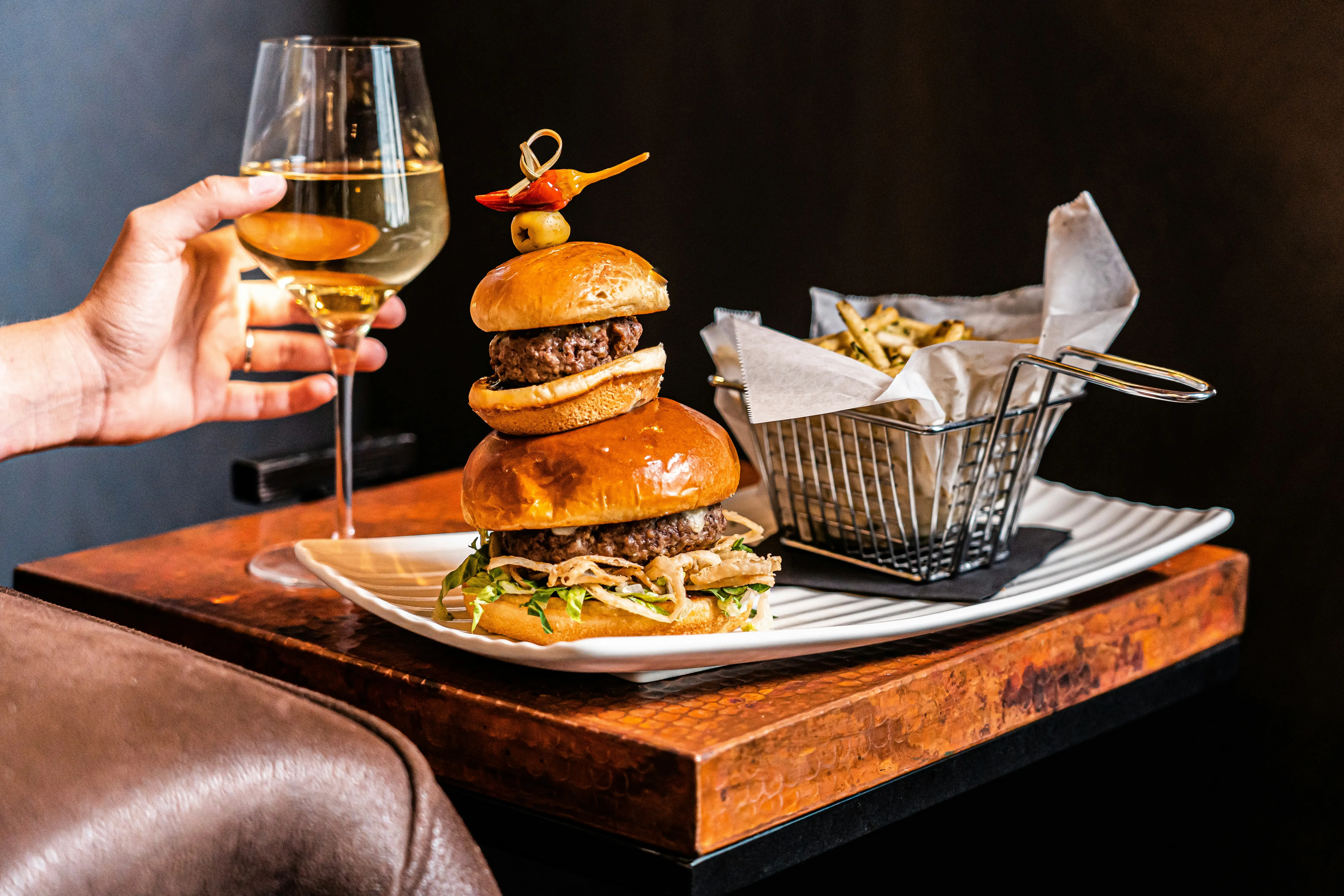
In the food and beverage industry, visuals are everything. From eye-catching packaging photos to carefully styled lifestyle shots, product images shape consumer trust and drive purchasing decisions. The food industry is one of the most important in the world, and any disruptions in its supply chain can cause widespread harm and raise serious public safety concerns. Yet many brands overlook a growing digital risk: stolen product images. While it may seem harmless at first, image theft can quietly damage revenue, reputation, and legal standing.
Why Product Images Matter More Than Ever
Food and beverage purchases are highly visual. Consumers want to see:
- Packaging details and ingredients
- Portion size and texture
- Serving suggestions and branding cues
High-quality images are expensive to produce, often involving professional photographers, food stylists, and post-production teams. When these images are stolen and reused without permission, the brand loses control over how its products are presented.
How Product Image Theft Happens
Image theft in the food and beverage sector commonly occurs through:
- Unauthorized use by online marketplaces or resellers
- Competitors copying images for lookalike products
- Bloggers or review sites republishing images without credit
- Social media pages reposting branded visuals for promotion
Once images are online, they can be copied and redistributed in seconds—often altered, resized, or stripped of branding.
The Hidden Risks Behind Stolen Images
1. Brand Misrepresentation
When stolen images appear on unfamiliar websites, they may be paired with misleading descriptions, incorrect pricing, or counterfeit products. This confuses customers and erodes brand trust.
2. Loss of Sales and Market Share
Unauthorized sellers can use your images to market inferior or counterfeit goods. Customers who receive a low-quality product may blame your brand, resulting in lost repeat business.
3. Regulatory and Compliance Issues
Food and beverage imagery often includes regulated claims, nutritional details, or serving suggestions. If stolen images are used incorrectly, your brand could face compliance or labeling disputes—even when you didn’t authorize the usage.
4. SEO and Digital Visibility Damage
Duplicate images across multiple sites can dilute your search engine rankings. Search engines may struggle to identify the original source, reducing your brand’s visibility in image and product searches.
5. Legal and Intellectual Property Risks
Product images are protected by copyright. Allowing widespread unauthorized use weakens enforcement efforts and can complicate future legal claims.
Introduction
- Food and beverage companies face a growing threat from stolen product images, which can compromise their online security and reputation.
- The food sector is particularly vulnerable to cyber threats, including data breaches and identity fraud.
- Research suggests that the rising threat of stolen product images can have serious consequences for food and beverage companies, including financial losses and damage to their brand.
Understanding the Risks
- Stolen product images can be used to create fake online profiles, compromising the safety measures of food and beverage companies.
- Critical control points in the supply chain can be vulnerable to cyber attacks, disrupting operations and putting sensitive data at risk.
Cargo theft risks spike during peak times like the Thanksgiving holiday, particularly affecting food and beverage shipments. Food and beverage shipments represent the highest theft risk during the Thanksgiving period, with significant increases in theft incidents year-over-year. Criminal organizations exploit increased shipment volumes and reduced security staffing during holiday periods to commit cargo theft. The total commodity value of stolen goods during the Thanksgiving period reached $9.5 million in 2024, with food and beverage items being a significant target. In 2019, 40 percent of cargo theft incidents in Mexico involved food and drink products, highlighting the sector's vulnerability. These trends underscore the importance of supply chain security and the need for companies to implement enhanced security measures during peak times to mitigate cargo theft risks, especially for food and beverage shipments.
Cargo theft and ransomware attacks are also significant risks for food and beverage companies, particularly during peak periods such as holidays. Additionally, cyberattacks on a warehouse can disrupt inventory management, storage conditions, and supply chain security, leading to spoilage, contamination, or theft of stored goods.
Cyber Security Measures
- Implementing robust cyber security measures is essential for food and beverage companies to protect themselves from stolen product images and other cyber threats.
- The IT department plays a critical role in managing cybersecurity measures, including implementing security protocols, conducting risk assessments, and fostering a cyber security culture among all employees.
- Protecting the company's network with firewalls and other network security measures is vital to safeguard sensitive information and restrict unauthorized access.
- This includes investing in a comprehensive security system, conducting regular intelligence gathering, and monitoring for suspicious activity.
- Companies are deploying automated image-recognition software to scan the internet for unauthorized use of their product visuals.
- Allocating technological and human resources effectively is crucial for protecting the supply chain and preventing cyberattacks.
- Food and beverage companies cannot solely depend on government protection; they must rely on proactive measures and reliable partners to mitigate risks effectively.
- Industry experts recommend that food and beverage companies prioritize cyber security and make it a key part of their overall business strategy.
Protecting the Supply Chain
- Protecting the supply chain is critical for food and beverage companies, as it can help prevent stolen product images and other forms of cargo theft.
- This includes working with trustworthy partners and employees, as well as implementing advanced trace and track technology such as GPS.
- Food and beverage companies should also be aware of the weakest links in their supply chain and take steps to address them.
Consequences of Theft
- The consequences of stolen product images can be severe for food and beverage companies, including financial losses, damage to their reputation, and harm to their customers.
- Stolen product images can also be used to create fake products, which can put consumers at risk and damage the reputation of the food and beverage company.
- In some cases, stolen product images can even be used to facilitate organized crime and other forms of criminal activity.
Prevention Strategies
- Food and beverage companies can take several steps to prevent stolen product images, including implementing robust cyber security measures and monitoring for suspicious activity.
- This includes using secure online platforms, verifying the identity of partners and employees, and keeping sensitive data confidential.
- Food and beverage companies should also have a plan in place in case of a cyber attack or other security incident.
Best Practices for Protection
- Best practices for protecting food and beverage companies from stolen product images include prioritizing cyber security, implementing robust safety measures, and monitoring for suspicious activity.
- Food and beverage companies should also keep their software and systems up to date, use strong passwords, and limit access to sensitive data.
- Regular employee education and training is also essential for preventing stolen product images and other forms of cyber threats.
The Role of Technology
- Technology plays a critical role in protecting food and beverage companies from stolen product images and other cyber threats.
- This includes using advanced trace and track technology, implementing robust cyber security measures, and monitoring for suspicious activity.
- Food and beverage companies should also stay up to date with the latest technology and trends in cyber security to stay ahead of emerging threats.
Industry Examples
- There are several examples of food and beverage companies that have been affected by stolen product images and other cyber threats.
- For example, a ransomware attack on a food manufacturing company can cause empty shelves and disrupt operations.
- In another example, a beverage company may experience a data breach, compromising sensitive information and putting customers at risk.
Regulatory Compliance
- Food and beverage companies must comply with relevant regulations and laws related to cyber security and data protection.
- This includes implementing robust safety measures, monitoring for suspicious activity, and keeping sensitive data confidential.
- Food and beverage companies should also be aware of the importance of regulatory compliance and take steps to ensure they are meeting all relevant requirements.
Employee Education
- Employee education and training is essential for preventing stolen product images and other forms of cyber threats.
- Food and beverage companies should provide regular training and education to employees on cyber security best practices, including how to identify and report suspicious activity.
Employees are the biggest threat to trade secrets, with 85% of trade secret theft attributed to them and business partners. Limiting access to trade secrets and other sensitive information is crucial for preventing theft and maintaining competitive advantage. Employees should deal with private records and trade secrets by following established and documented policies, including the use of non-disclosure agreements (NDAs) when sharing sensitive information with outside parties. Creating a culture of trade secret awareness and respect within the company is vital for protecting intellectual property. Conducting exit interviews with departing employees who had access to trade secrets can help mitigate theft risks. Trade secrets are among the most valuable information a company has, including secret recipes, manufacturing processes, or marketing plans, and their protection is crucial for a company's success and longevity.
- Employees should also be aware of the importance of keeping sensitive data confidential and the consequences of stolen product images.
Why Food & Beverage Brands Are Especially Vulnerable
Unlike other industries, food and beverage brands often distribute products through:
- Multiple retailers and distributors
- Global e-commerce platforms
- Social media-driven marketing campaigns
This broad exposure increases the chance that images will be copied, reused, or manipulated without approval.
In some countries and other areas, criminal activity related to cargo theft and opportunistic crimes is increasing, highlighting regional differences in security risks.
How to Detect Stolen Product Images
- Use reverse image search tools to scan the web regularly
- Monitor online marketplaces and reseller platforms
- Track image usage through digital asset management systems
- Encourage distributors to report suspicious listings
Early detection is key to limiting damage.
How to Protect Your Visual Assets
While no solution is foolproof, brands can reduce risk by:
- Adding subtle watermarks or branding elements
- Providing retailers with approved image libraries
- Creating usage agreements for partners and distributors
- Documenting ownership and original creation files
Consistent monitoring and enforcement send a strong message that your brand protects its assets.
Taking Action Against Image Theft
When theft is identified:
- Collect proof of ownership
- Document where the image is being used
- Submit takedown or copyright infringement notices
- Follow up to ensure removal
Swift action helps prevent further misuse and protects brand integrity.
Final Thoughts
Stolen product images may seem like a minor issue, but for food and beverage companies, the consequences can be significant. From lost sales to compliance risks, unauthorized image use undermines the investment brands make in their visual identity. By recognizing the threat and taking proactive steps, companies can safeguard their images—and their reputation—in an increasingly visual marketplace.
Conclusion and Recommendations
The growing threat of trade secret theft and cyber attacks is a critical concern for food and beverage companies worldwide. As the industry continues to evolve, so do the tactics of criminal organizations and cyber criminals targeting valuable information, sensitive data, and other confidential information within the supply chain. The complexity of food and beverage operations, combined with the high value of proprietary recipes, processes, and product images, makes this sector a prime target for theft, data breaches, and other forms of criminal activity.
To effectively protect against these risks, food and beverage companies must adopt a comprehensive, multi-layered security strategy. This begins with identifying the weakest links in the supply chain and implementing robust security measures at critical control points. Online security protocols, advanced cargo theft prevention strategies, and strict access controls are essential to safeguard sensitive information and prevent unauthorized access to valuable assets.
Asset protection should be a top priority, with companies investing in research and development to stay ahead of emerging threats. Intelligence gathering and ongoing analysis are crucial for identifying potential vulnerabilities and monitoring for signs of organized crime or suspicious activity. Industry experts recommend regular security audits and the use of surveillance systems to ensure that all areas of the business, from warehouses to digital networks, are secure.
Employee training is another vital component of a strong security system. By educating staff on cyber security best practices, data protection, and how to recognize and report suspicious incidents, companies can significantly reduce the risk of internal threats and accidental data leaks. Regular drills and updates ensure that employees remain vigilant and prepared to respond to evolving threats.
In the event of a security breach or theft, having a well-structured incident response plan is essential. This plan should outline clear steps for containing the threat, protecting sensitive data, and communicating with stakeholders, including government agencies and industry partners. Quick, coordinated action can minimize damage and help restore operations efficiently.
To further mitigate the risk of cargo theft, companies should verify the legitimacy of carriers and freight brokers, secure vehicles and trailers in well-lit and monitored locations, and maintain open communication with drivers throughout the supply chain. These measures not only deter criminal activity but also help ensure the safety of employees and the integrity of food products.
Cyber security technologies play a pivotal role in protecting sensitive data and preventing data breaches or ransomware attacks. Investing in the latest security solutions, conducting regular system updates, and limiting access to critical information are all essential steps in maintaining a secure environment.
Collaboration is key. By working closely with government agencies, industry experts, and other companies, food and beverage businesses can share intelligence, stay informed about new threats, and develop industry-wide best practices for security and asset protection.
FAQs
1. Are product images automatically protected by copyright?
Yes. Original product images are protected by copyright as soon as they are created. This applies to professionally shot photos as well as in-house photography, as long as the image is original.
2. Can unauthorized image use really affect food safety or compliance?
Indirectly, yes. If stolen images are used alongside inaccurate product descriptions, ingredients, or claims, it can mislead consumers and potentially trigger regulatory or compliance concerns.
3. What’s the difference between image theft and fair use?
Image theft involves using images without permission or licensing. Fair use is limited and typically does not apply to commercial product listings, advertising, or resale activities—especially in the food and beverage industry.
4. How often should food and beverage brands check for stolen images?
Regular monitoring is recommended, especially after product launches or major campaigns. Many brands perform monthly or quarterly scans, while high-risk products may require more frequent checks.
5. What should a company do first after discovering stolen images?
The first step is to document the infringement by saving URLs and screenshots. Next, verify ownership of the images and then submit a formal takedown or copyright notice to the offending platform.

