Official Member Of

Trusted Copyright Removal Program


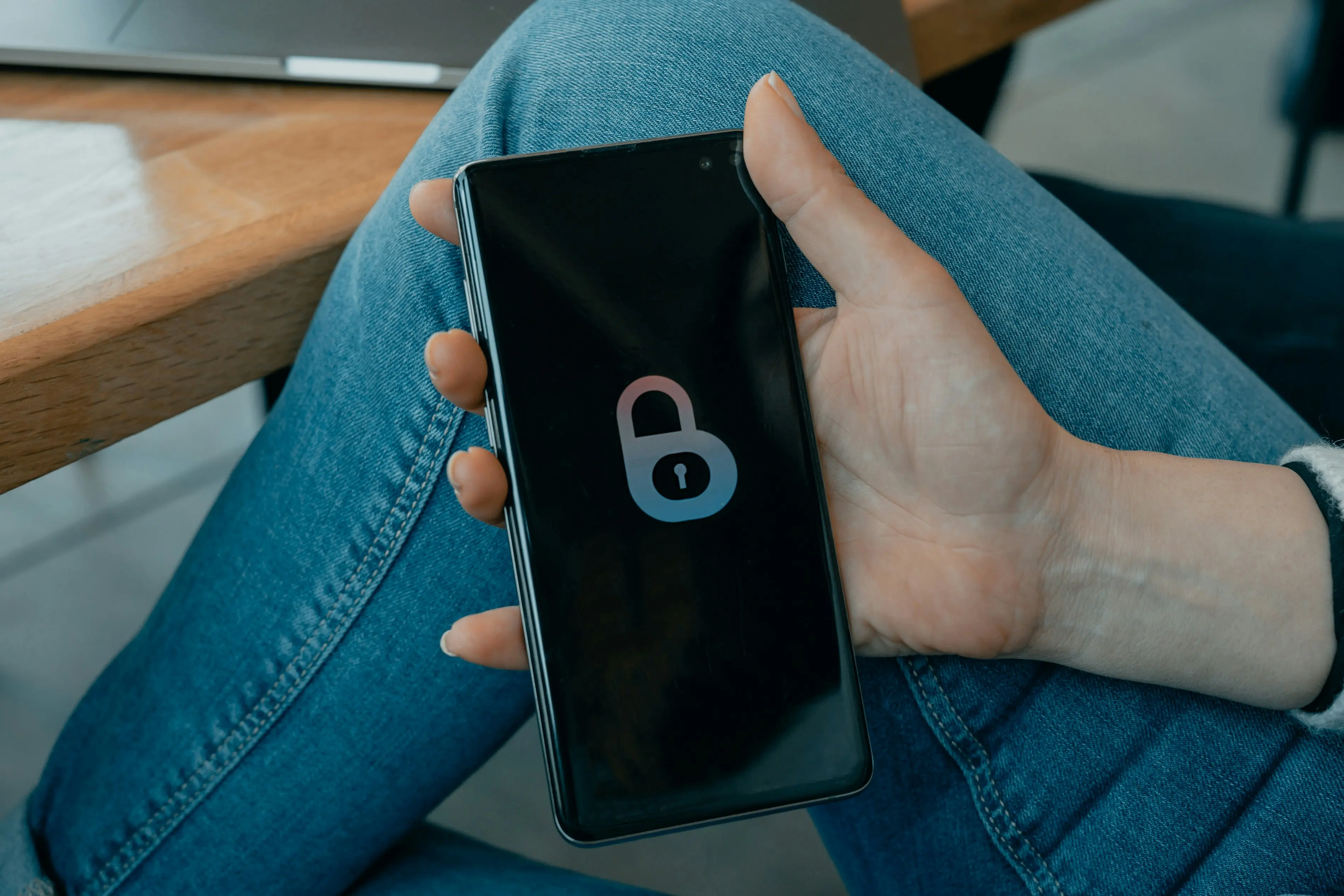
In today’s digital age, videos can spread faster than ever, and unfortunately, not all of them are shared with consent. Leak videos—unauthorized recordings made public without permission—pose serious privacy, legal, and reputational risks for individuals and organizations alike. Understanding the dangers and learning how to prevent or respond to leaks is essential for online safety. Cybersecurity plays a crucial role in both preventing leak videos and effectively responding to incidents when they occur.
Leak videos are recordings that were intended to remain private but are made publicly available without the consent of those featured. They can include:
Leak videos can also result from a data breach, where unauthorized access to private files leads to exposure.
Leak videos often spread through social media, messaging apps, forums, or unauthorized streaming sites.
Even a single leak video can have long-lasting consequences if not handled properly.
In a world where videos can be shared in seconds, protecting yourself online has never been more important. Every day, people encounter countless links and videos across social media, messaging apps, and websites—some of which may not be as safe as they appear. One of the first signs of a secure website is the “https” prefix in the URL, which helps ensure your data is encrypted and less vulnerable to interception.
It’s essential to stay alert when clicking on unfamiliar videos or links, as these can sometimes be used to spread malware or launch phishing attacks. Many people fall victim to these scams simply by trusting content that appears legitimate. By taking a moment to verify the source and looking for security signs, you can avoid many common online threats.
Being mindful of the videos you watch and share also plays a crucial role in protecting not just your own privacy, but the privacy of others. Accidentally sharing or engaging with leaked videos can have serious consequences for the people involved, amplifying the impact of a privacy breach. By thinking twice before forwarding or commenting on sensitive content, you help create a safer online environment for everyone.
Ultimately, online protection is about awareness and responsible behavior. By staying informed, watching for security signs, and considering the impact of your actions, you can enjoy the benefits of the digital world while keeping your personal information—and that of others—safe.
Experiencing a leaked video can be overwhelming, but recovery and support are essential steps for both individuals and organizations affected by such incidents. The first sign of a leak often brings a wave of emotions and uncertainty, but it’s important for people to know that help is available and recovery is possible.
The recovery process begins with assessing the extent of the damage. This might involve identifying where the leaked videos have been shared, working to remove them from public platforms, and issuing statements to clarify the situation or sign off on the incident. Taking these steps can help contain the spread and start the process of regaining control.
Support comes in many forms. For people directly impacted, counseling services can provide a safe space to process emotions and rebuild confidence. Legal advice is crucial for those seeking to take action against the individuals or groups responsible for the leak, ensuring that your rights are protected. Technical assistance can help strengthen your digital security and prevent future leaks, giving you peace of mind moving forward.
Organizations can also play a key role by offering resources and support services. This might include access to educational videos that explain how to handle the aftermath of a leak, as well as guides on best practices for online safety. These videos can empower people to take proactive steps and make informed decisions during a difficult time.
It’s important to remember that you are not alone. Many people have faced similar challenges, and there are communities, professionals, and resources ready to help. By recognizing the sign of a leak early and seeking out support, you can begin to heal and rebuild. Utilizing videos and other supportive materials as part of your recovery strategy can make a significant difference in minimizing the long-term effects of a leak.
Ultimately, recovery and support are about helping people regain control, restore their confidence, and move forward with resilience. With the right tools and guidance, it’s possible to overcome the challenges posed by leaked videos and protect yourself in the future.
Leak videos are an alarming reality in today’s connected world. Awareness, digital hygiene, and proactive measures are the best ways to prevent private recordings from becoming public. Managing your digital footprint is also crucial, as being mindful of your online presence and what you share can significantly reduce the risk of leaked videos. While no method is 100% foolproof, strong security, careful sharing, and quick response strategies can protect your privacy and minimize the damage if a leak occurs.
1. What is a leak video?
A leak video is any recording that was intended to remain private but is shared publicly without the consent of the people featured or the content owner.
2. How do leak videos usually happen?
Leak videos can result from hacked devices or accounts, insider leaks, accidental sharing on public platforms, malware, or unauthorized recordings.
3. What are the risks associated with leak videos?
Risks include privacy violations, reputational damage, legal consequences, emotional distress, and potential cybersecurity threats like phishing or malware.
4. How can I prevent my videos from being leaked?
Secure your devices and accounts with strong passwords and multi-factor authentication, share videos only with trusted contacts, use encrypted platforms, and avoid uploading private videos to public sites.
5. What should I do if a video of mine is leaked?
Act quickly to remove accessible traces, report the content to platform administrators, consult legal professionals if needed, avoid sharing the video further, and implement stronger security measures to prevent future leaks.