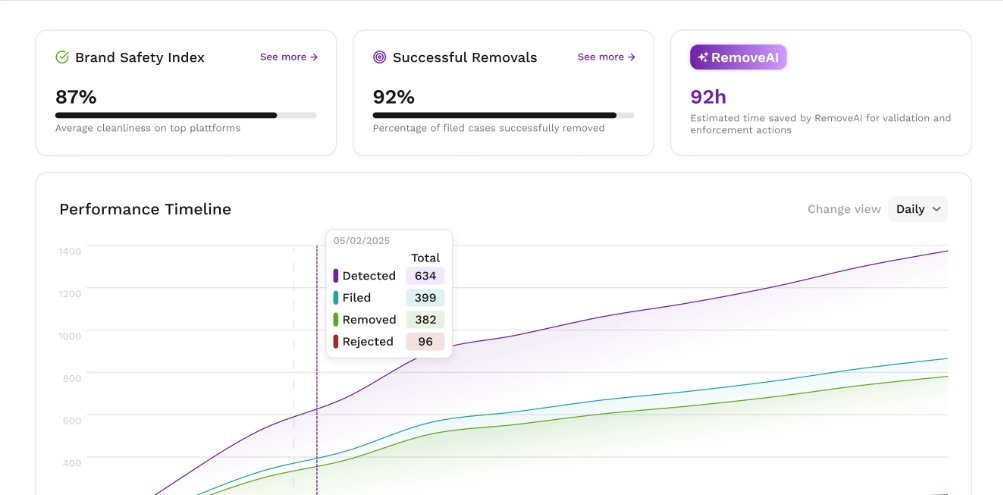
In the digital age, content moves fast—and so do disputes over intellectual property, defamation, and unlawful material. Whether you’re a content creator, website owner, platform operator, or rights holder, understanding notice and takedown procedures is essential for protecting your rights while staying compliant with the law.
What Are Notice and Takedown Procedures?
Notice and takedown procedures are legal mechanisms that allow individuals or organizations to request the removal of content they believe is unlawful or infringes on their rights. Most commonly, these procedures are associated with copyright infringement, but they can also apply to:
- Defamation
- Privacy violations
- Hate speech or illegal content
- Trademark infringement
At their core, these procedures balance two competing interests:
- Protecting rights holders from harm, and
- Shielding online platforms from liability when they act responsibly.
The Legal Foundation
Notice and takedown systems are embedded in laws and regulations across many jurisdictions. While the details vary, the general principle is consistent:
platforms are not automatically liable for user-generated content if they promptly respond to valid takedown notices.
Common legal frameworks include:
- Copyright and intellectual property laws
- E-commerce and digital services regulations
- Platform-specific policies aligned with local and international law
Failing to follow proper procedures can expose platforms and content hosts to legal risk.
How the Notice and Takedown Process Works
1. Submission of a Notice
A rights holder submits a formal notice to the platform hosting the content. A valid notice typically includes:
- Identification of the protected work
- The location (URL) of the allegedly infringing content
- Contact information of the complainant
- A good-faith statement and declaration of accuracy
Incomplete or vague notices may be rejected.
2. Platform Review
Once received, the platform reviews the notice to determine whether it meets legal and policy requirements. This step is crucial to prevent abuse of the system.
3. Content Removal or Restriction
If the notice is valid, the platform may:
- Remove the content
- Disable access to it
- Temporarily restrict visibility
In many cases, the uploader is informed of the action.
4. Counter-Notice (Optional)
If the uploader believes the takedown was a mistake or misuse of the process, they may submit a counter-notice asserting their legal right to the content.
If no further legal action is taken, the content may be restored.
Why Notice and Takedown Procedures Matter
For Rights Holders
- Provides a clear path to protect intellectual property
- Reduces financial and reputational harm
- Avoids lengthy court proceedings
For Platforms and Website Owners
- Limits legal liability
- Demonstrates compliance and good faith
- Builds trust with users and regulators
For Content Creators
- Ensures due process
- Allows challenges to false or abusive claims
- Promotes transparency and fairness
Introduction to Copyright Protection
- The Digital Millennium Copyright Act (DMCA) is a federal law that protects intellectual property rights and addresses copyright infringement.
- Copyright owners have the exclusive right to reproduce, distribute, and display their work, and to create derivative works.
- Online service providers must expeditiously respond to notices of alleged copyright infringement under the DMCA.
- The DMCA provides a framework for notice and takedown procedures to combat online copyright infringement.
The Notice and Takedown Process
- A DMCA notice, also known as a takedown notice, is a formal request to remove infringing material from online platforms.
- To constitute a valid notice, it must include a physical or electronic signature, identification of the copyrighted material, and a statement of good faith belief that the material is infringing.
- The notice and takedown process allows copyright holders to enforce their rights against unauthorized content.
- Online service providers must have a designated agent to receive and process DMCA notices.
Responding to Infringement Claims
- Upon receiving a DMCA notice, the service provider must promptly provide a counter notification pursuant to the DMCA.
- The counter notice must include a statement of good faith belief that the material was removed by mistake, and a statement that the user consents to local federal court jurisdiction.
- If a counter notice is received, the service provider may restore the removed material unless a court order is filed to restrain infringing activity.
- The DMCA requires service providers to document notices and counter notices, and to maintain records of allegedly infringed material.
Managing Repeat Infringement
- Repeat infringers may have their accounts disabled or terminated in accordance with the DMCA.
- The DMCA requires service providers to implement a policy to terminate repeat infringers in appropriate circumstances.
- Standard technical measures, such as passwords and encryption, can be used to prevent copyright infringement.
- Service providers must accommodate and not interfere with reasonable standard technical measures used by copyright owners to protect their works.
Best Practices for Compliance
- Online service providers should have a clear and concise notice and takedown policy in place.
- The policy should include information on how to submit a DMCA notice, and how to respond to counter notices.
- Service providers should expeditiously respond to notices of alleged copyright infringement, and remove or disable access to infringing material.
- The DMCA provides safe harbors for service providers who comply with the notice and takedown procedure, and who do not materially misrepresent the facts.
Common Pitfalls to Avoid
- Submitting incomplete or inaccurate notices
- Ignoring counter-notices
- Using takedown requests to suppress lawful speech
- Delaying responses beyond reasonable timeframes
Abuse of notice and takedown systems can undermine trust and lead to legal consequences.
What Is the Digital Millennium Copyright Act (DMCA)?
The Digital Millennium Copyright Act (DMCA) is a United States copyright law enacted in 1998 to address copyright protection in the digital environment. It provides the legal framework for how online platforms handle copyright infringement claims and is the foundation of modern notice and takedown procedures.
Key Purpose of the DMCA
The DMCA aims to:
- Protect copyright holders from unauthorized use of their works online
- Encourage innovation and user-generated content
- Limit liability for online service providers that act responsibly
It strikes a balance between protecting intellectual property and allowing platforms to host content without constant legal exposure.
Why the DMCA Matters
- For creators: Protects original works from unauthorized copying
- For platforms: Reduces legal risk when hosting user content
- For users: Provides a fair process to challenge wrongful takedowns
What Is Copyright Law?
Copyright law protects original works of authorship by granting creators exclusive rights over how their works are used, shared, and reproduced. These protections apply automatically once an original work is fixed in a tangible form, such as writing, recording, or publishing online.
Copyright law plays a central role in regulating digital content, ensuring creators are rewarded for their work while allowing lawful use under specific exceptions.
What Types of Works Are Protected?
Copyright law generally protects:
- Literary works (articles, blogs, books)
- Musical works and sound recordings
- Films and audiovisual content
- Photographs and artwork
- Software and digital content
Ideas, facts, titles, and short phrases are not protected—only the original expression of those ideas.
Why Copyright Law Matters
- For creators: Protects ownership and income
- For businesses: Reduces legal risk and promotes compliance
- For users: Clarifies what content can be shared and reused
What Is a Counter Notification?
A counter notification (or counter-notice) is a formal response submitted by a content uploader after their material has been removed due to a DMCA takedown notice. It allows the uploader to assert that the content was removed by mistake or misidentification and to request that it be restored.
Counter notifications are a key part of the Digital Millennium Copyright Act (DMCA) and help ensure fairness in the notice and takedown process.
What Is Infringing Content?
Infringing content is material that violates copyright law by using a protected work without the permission of the copyright owner and without a valid legal exception, such as fair use. In the digital environment, infringing content is most commonly found on websites, social media platforms, and user-generated content services.
Common Examples of Infringing Content
Infringing content may include:
- Copying articles, blogs, or books without authorization
- Uploading copyrighted music, films, or TV shows
- Using images or artwork without a license
- Republishing content without permission or proper rights
- Sharing paid or subscription-only content for free
Even partial use can be infringing if it exceeds legal limits.
What Does Not Count as Infringing Content?
Not all use of copyrighted material is infringing. Lawful uses may include:
- Content you created yourself
- Material used with permission or a valid license
- Content in the public domain
- Uses that qualify as fair use (e.g., commentary, criticism, parody)
Determining infringement often depends on context.
Infringing Content and Notice & Takedown
When infringing content is identified:
- The copyright owner may submit a DMCA takedown notice
- Platforms must act promptly to remove or disable access
- Uploaders may submit a counter notification if the removal was a mistake
This process helps platforms manage risk while protecting lawful content.
Final Thoughts
Notice and takedown procedures are a cornerstone of modern internet governance. When used properly, they protect creativity, uphold the law, and maintain a fair online ecosystem. When misused, they can chill free expression and create unnecessary conflict.
Understanding the process—and your role within it—is the first step toward navigating online content disputes responsibly and effectively.
FAQs
1. What types of content can be removed through notice and takedown procedures?
Notice and takedown procedures are most commonly used for copyright infringement, but they can also apply to defamatory statements, privacy violations, trademark misuse, and other unlawful or policy-violating content, depending on the platform and applicable laws.
2. How quickly must a platform respond to a takedown notice?
Response times vary by jurisdiction and platform policy, but platforms are generally expected to act promptly once they receive a valid notice. Delays may increase legal liability, especially if the content clearly violates the law.
3. Can content be restored after it has been taken down?
Yes. If the content uploader submits a valid counter-notice asserting lawful use or ownership, the platform may restore the content unless the original complainant initiates formal legal action within a specified timeframe.
4. What happens if a takedown notice is false or abusive?
Submitting false or misleading notices can have serious consequences, including account penalties, legal liability, or damages in some jurisdictions. Platforms may reject abusive notices and take action against repeat offenders.
5. Do notice and takedown procedures apply to all websites?
Not all websites are required to follow the same procedures. Obligations depend on local laws, the nature of the platform, and whether it hosts user-generated content. However, most major platforms adopt notice and takedown systems to reduce legal risk and ensure compliance.