Official Member Of

Trusted Copyright Removal Program


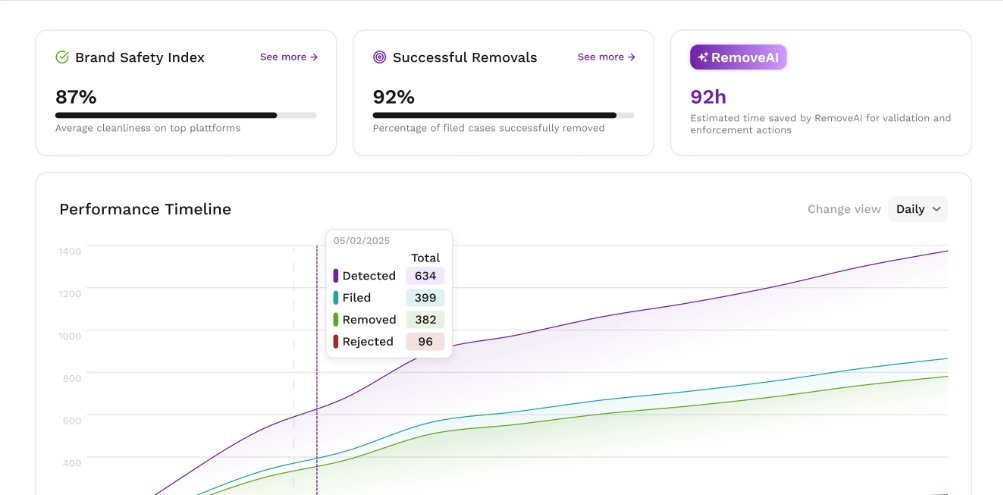
In today’s digital and intellectual property–driven economy, protecting creative and commercial assets is more important than ever. While rights holders such as copyright owners or trademark owners have legal authority over their works, they often rely on an Authorized Rights Holder Representative to manage, protect, and enforce those rights effectively. Understanding this role is essential for creators, brands, and platforms alike.
An Authorized Rights Holder Representative is a person or organization legally empowered to act on behalf of a rights holder. This authorization is usually granted through a written agreement, power of attorney, or formal designation.
Examples of authorized representatives include:
These representatives act in the best interests of the rights holder while operating within the scope of their granted authority.
An Authorized Rights Holder Representative is a person or organization legally empowered to act on behalf of a rights holder. This authorization is usually granted through a written agreement, power of attorney, or formal designation.
Examples of authorized representatives include:
These representatives act in the best interests of the rights holder while operating within the scope of their granted authority.
Authorized representatives monitor for unauthorized use of intellectual property and take action when infringement occurs. This may include sending takedown notices, cease-and-desist letters, or filing infringement claims with platforms or authorities.
They actively monitor online marketplaces, social media platforms, and websites to identify counterfeit goods, copyright infringement, or trademark misuse.
Many online platforms require rights holders to submit claims through verified representatives. Authorized representatives liaise with platforms to ensure swift removal of infringing content or listings.
Some representatives manage licensing requests, grant permissions, and ensure that third parties use protected works within agreed terms.
They maintain records of ownership, authorization letters, infringement evidence, and enforcement actions to ensure legal compliance and transparency.
An authorized representative may only act within the authority granted by the rights holder. They cannot:
Clear documentation is critical to avoid disputes or rejected enforcement requests.
Aspect
Rights Holder
Authorized Representative
Ownership
Owns the IP
Does not own IP
Legal authority
Full rights
Limited, delegated authority
Enforcement
Can act directly
Acts on behalf of owner
Accountability
Primary
Secondary
A duly authorized agent is a person or organization that has been formally and legally granted permission to act on behalf of another party, usually through a written authorization.
Together, a duly authorized agent is an agent who has valid, documented authority to represent and act for the principal (such as a rights holder, company, or individual).
Copyright holders are individuals or entities that legally own the copyright to a creative work. They have the exclusive rights granted by copyright law to control how their work is used, reproduced, distributed, and adapted.
Copyright holders have exclusive rights to:
These rights allow them to monetize, license, and protect their creative works.
Aspect
Copyright Holder
Authorized Representative
Ownership
Owns the work
Acts on behalf of the owner
Legal authority
Full rights
Limited, delegated authority
Enforcement
Can act directly
Acts under authorization
Decision-making
Full control
Within scope of delegation
An Authorized Rights Holder Representative plays a vital role in safeguarding intellectual property in an increasingly digital world. By acting as an extension of the rights holder, these representatives ensure that infringement is addressed swiftly, professionally, and in compliance with the law.
For creators and brands seeking scalable and effective protection, appointing a trusted authorized representative can be a powerful step toward preserving the value, integrity, and enforceability of their intellectual property.
An Authorized Rights Holder Representative is a person or organization officially permitted to act on behalf of a copyright, trademark, or intellectual property owner to manage, protect, and enforce their rights.
They can monitor for infringement, submit takedown requests, communicate with platforms, manage licensing permissions, and handle enforcement actions—within the limits of their authorization.
No. The representative does not own the intellectual property. Ownership remains with the original rights holder, and the representative acts only under delegated authority.
Appointment is usually done through a written agreement, authorization letter, or power of attorney that clearly defines the scope and duration of the representative’s authority.
Rights holders use authorized representatives to gain expert support, scale enforcement efforts, navigate platform procedures, and efficiently protect their intellectual property across multiple channels or regions.
